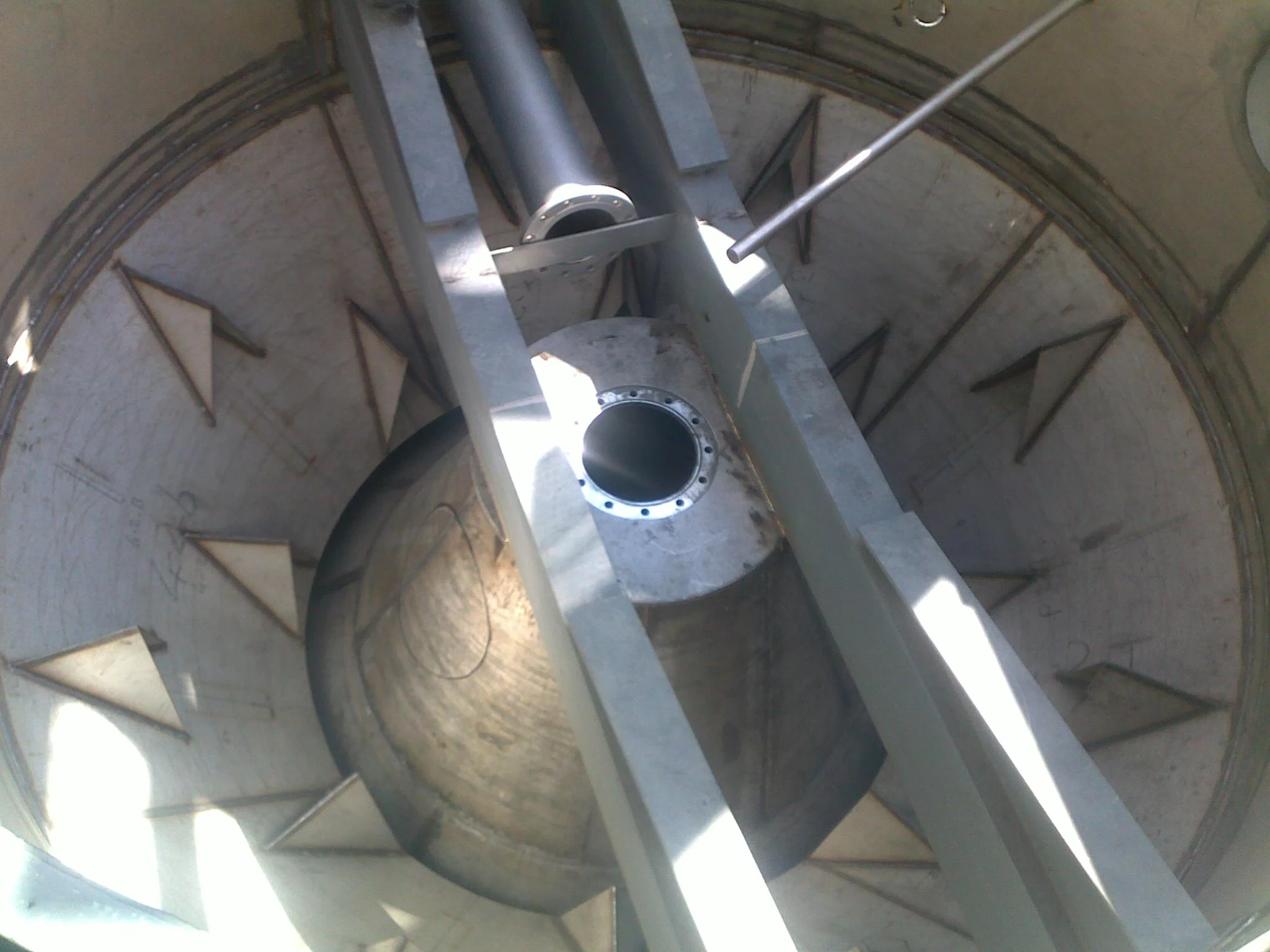
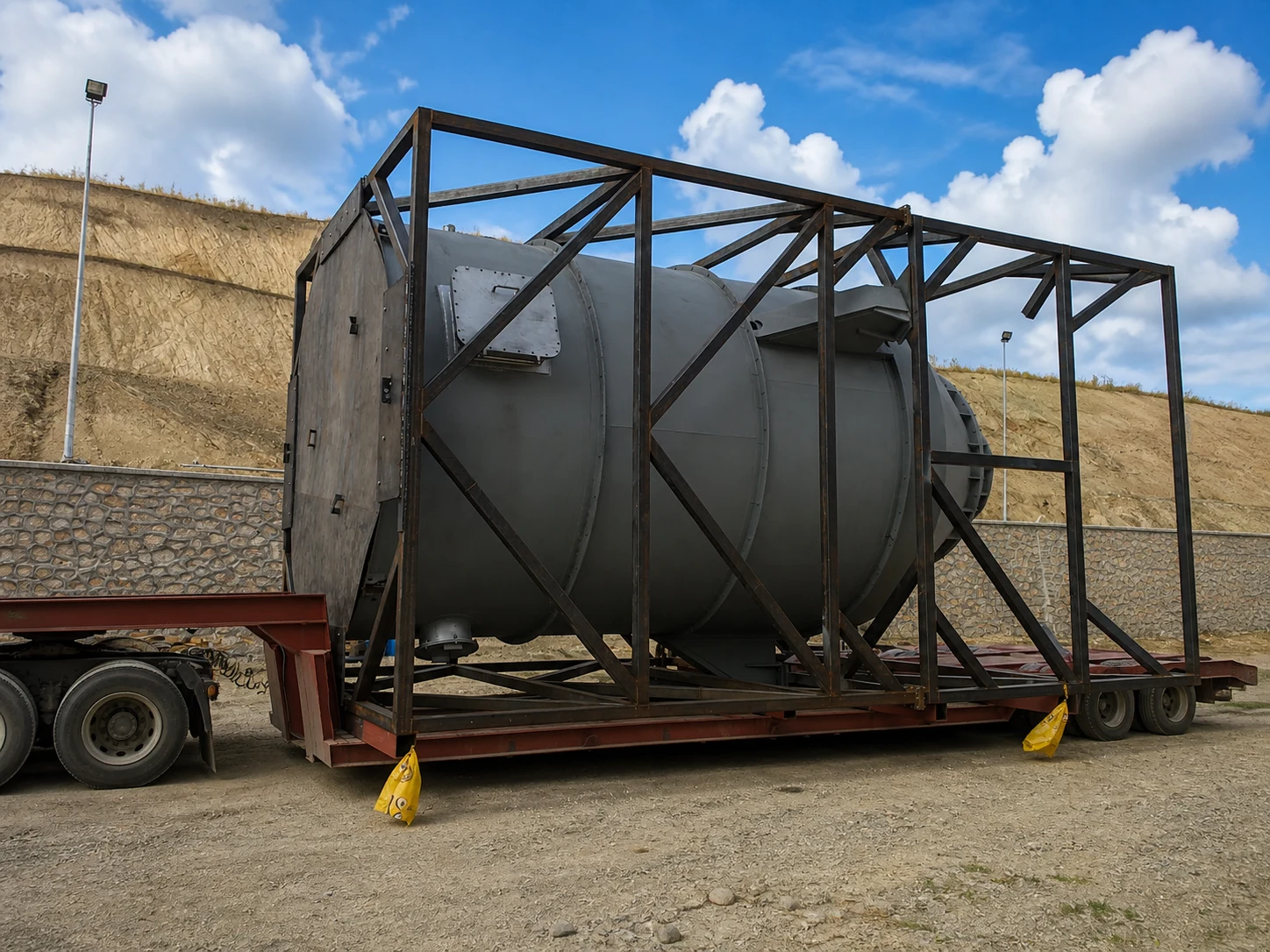
Gypsum Calcination Plants
Integrated Production Solutions from Raw Gypsum to High-Quality Plaster
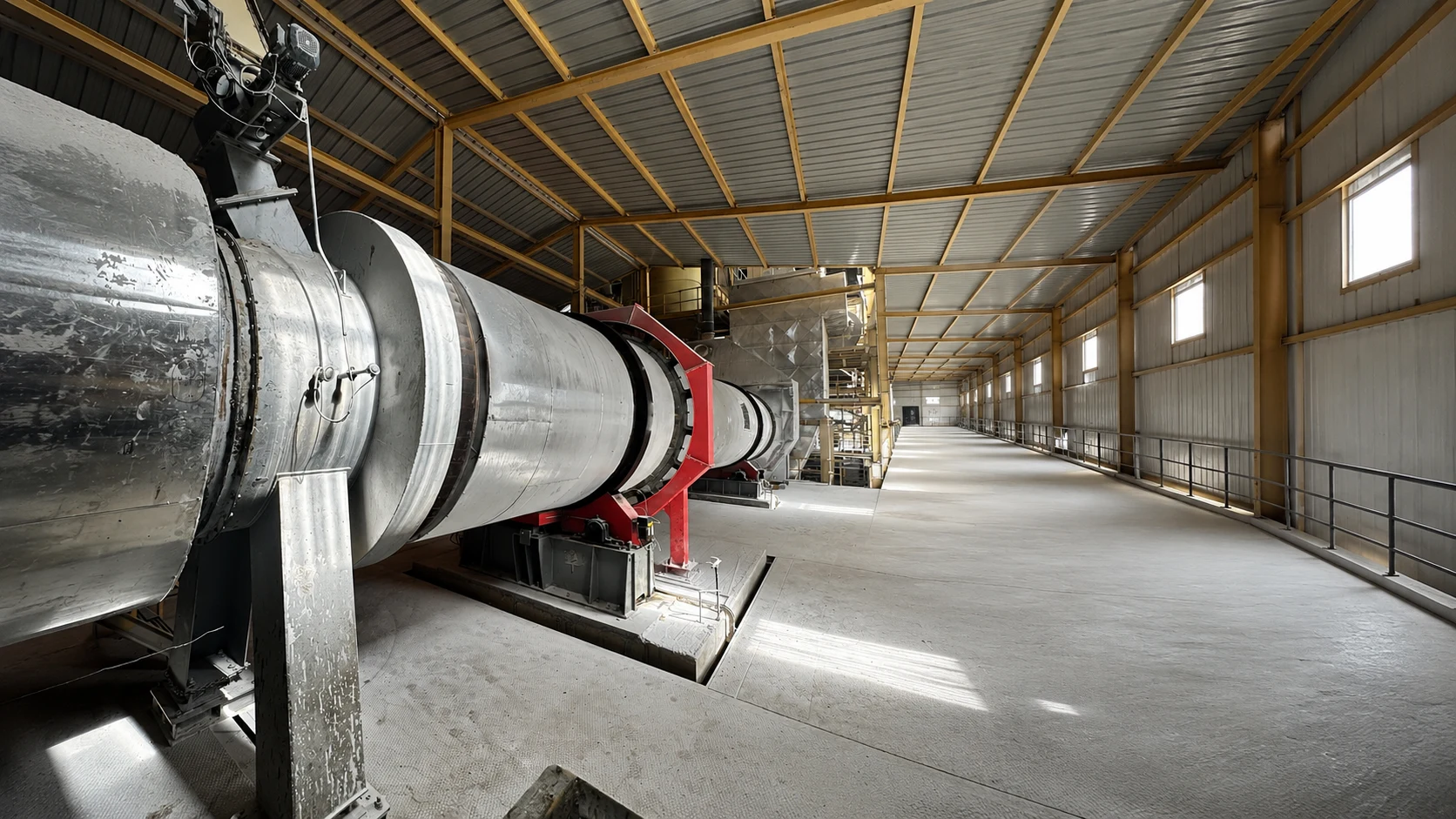
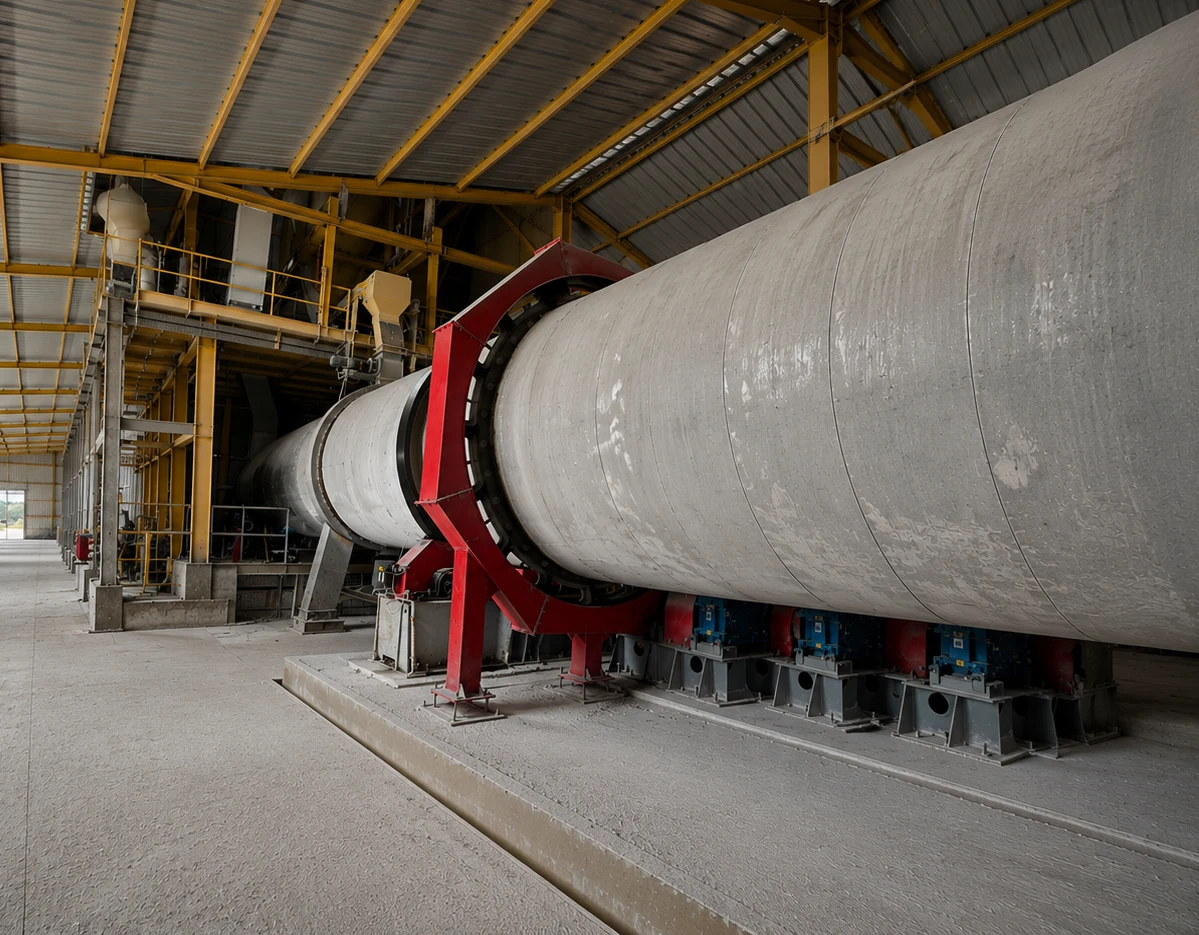
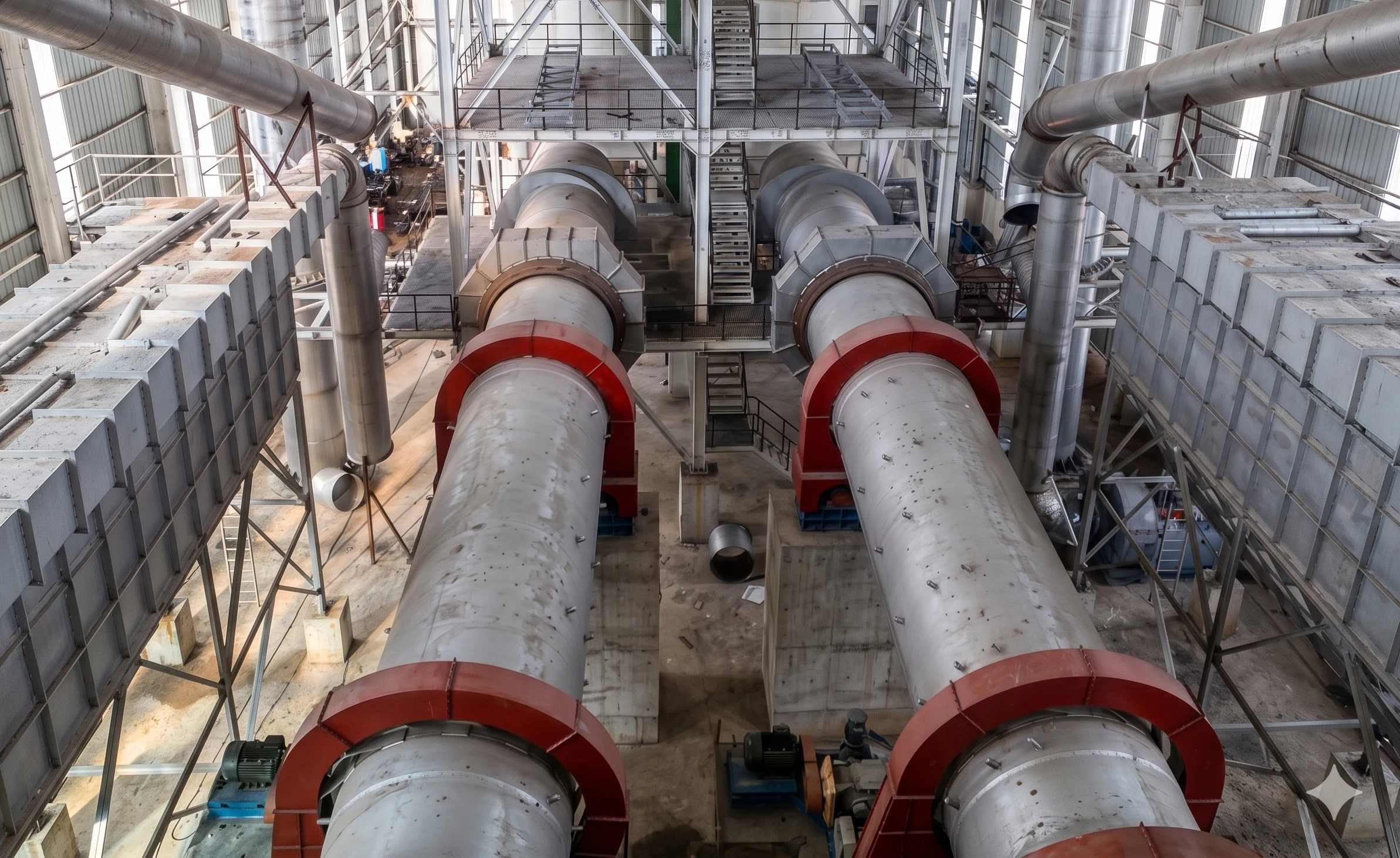
ENIVO’s gypsum calcination plants are designed to convert raw gypsum (CaSO₄·2H₂O) into high-quality stucco (CaSO₄·½H₂O) through carefully controlled, heat-managed processes. The process precisely manages drying, controlled removal of crystal water, and, when required, advanced phase transformations, enabling the consistent production of beta hemihydrate or alpha hemihydrate for gypsum plaster, gypsum board, and specialty building materials.
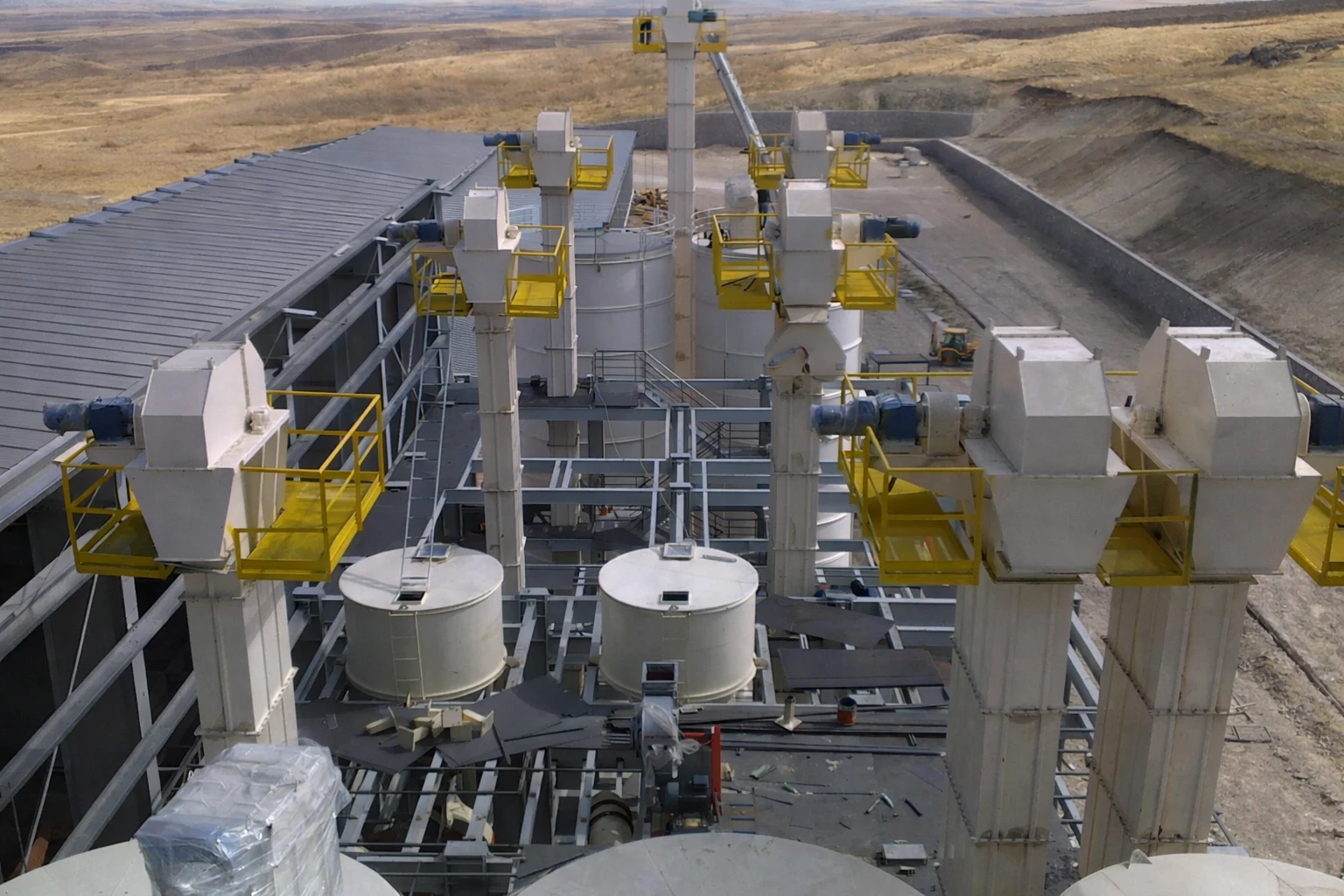
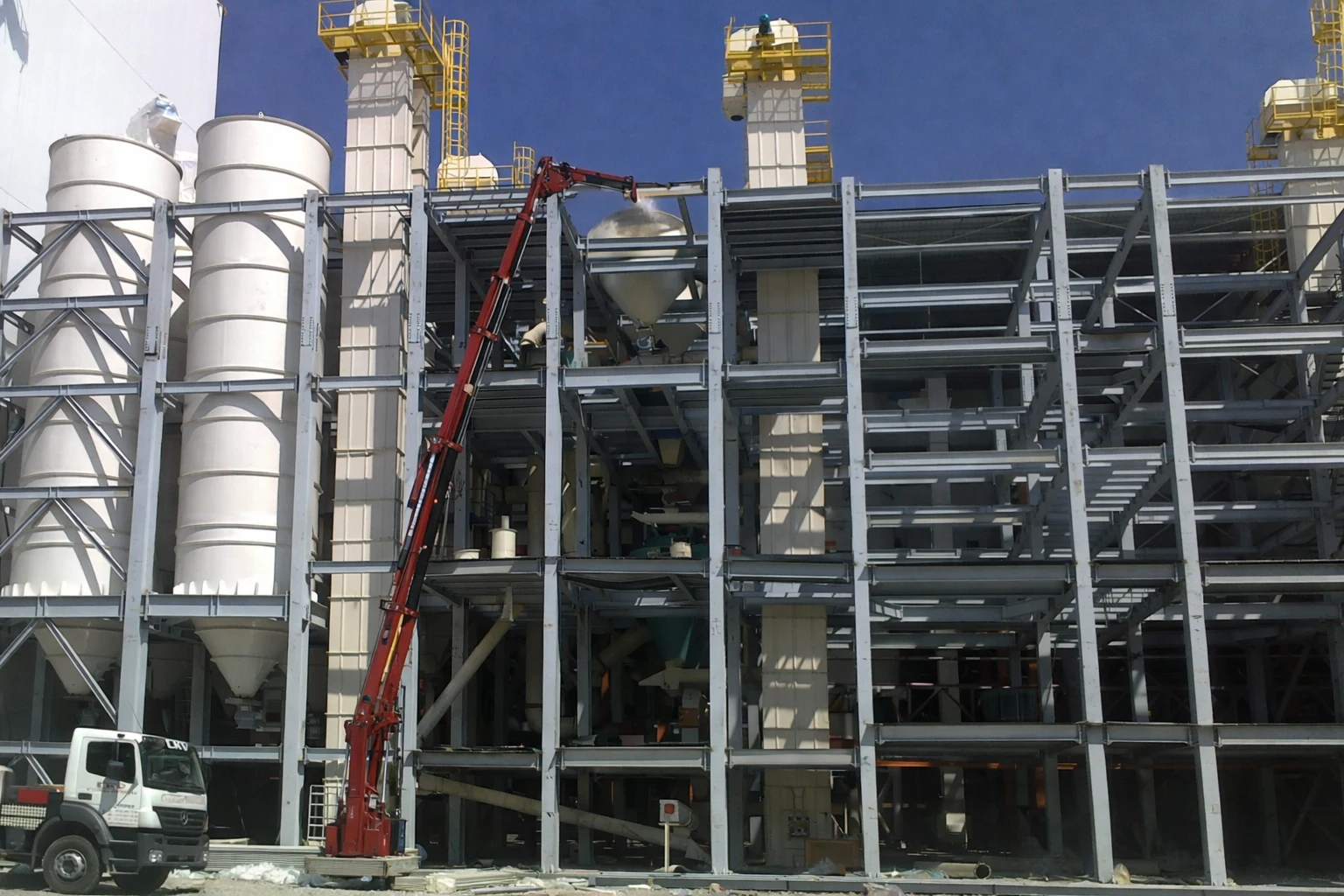
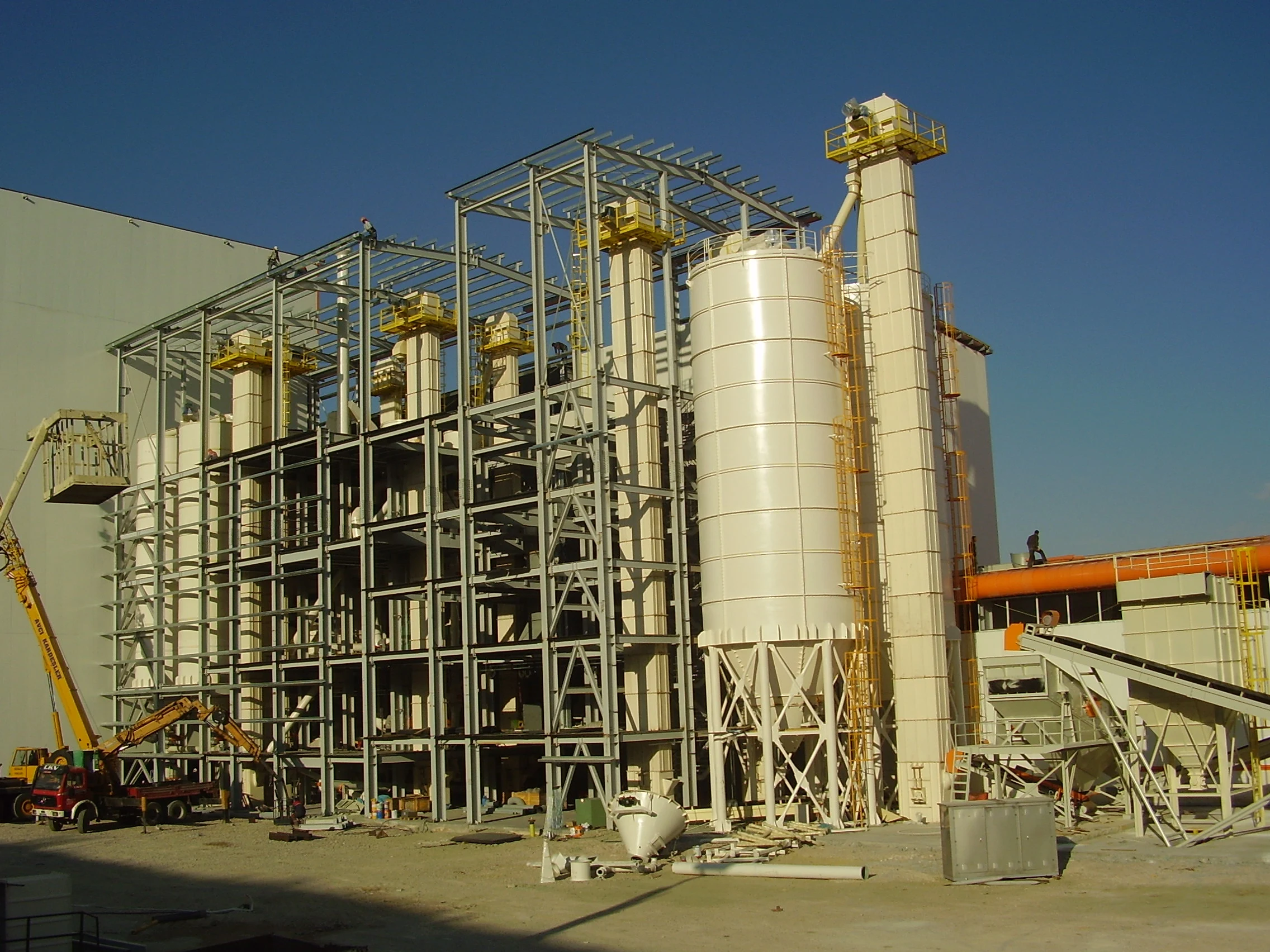
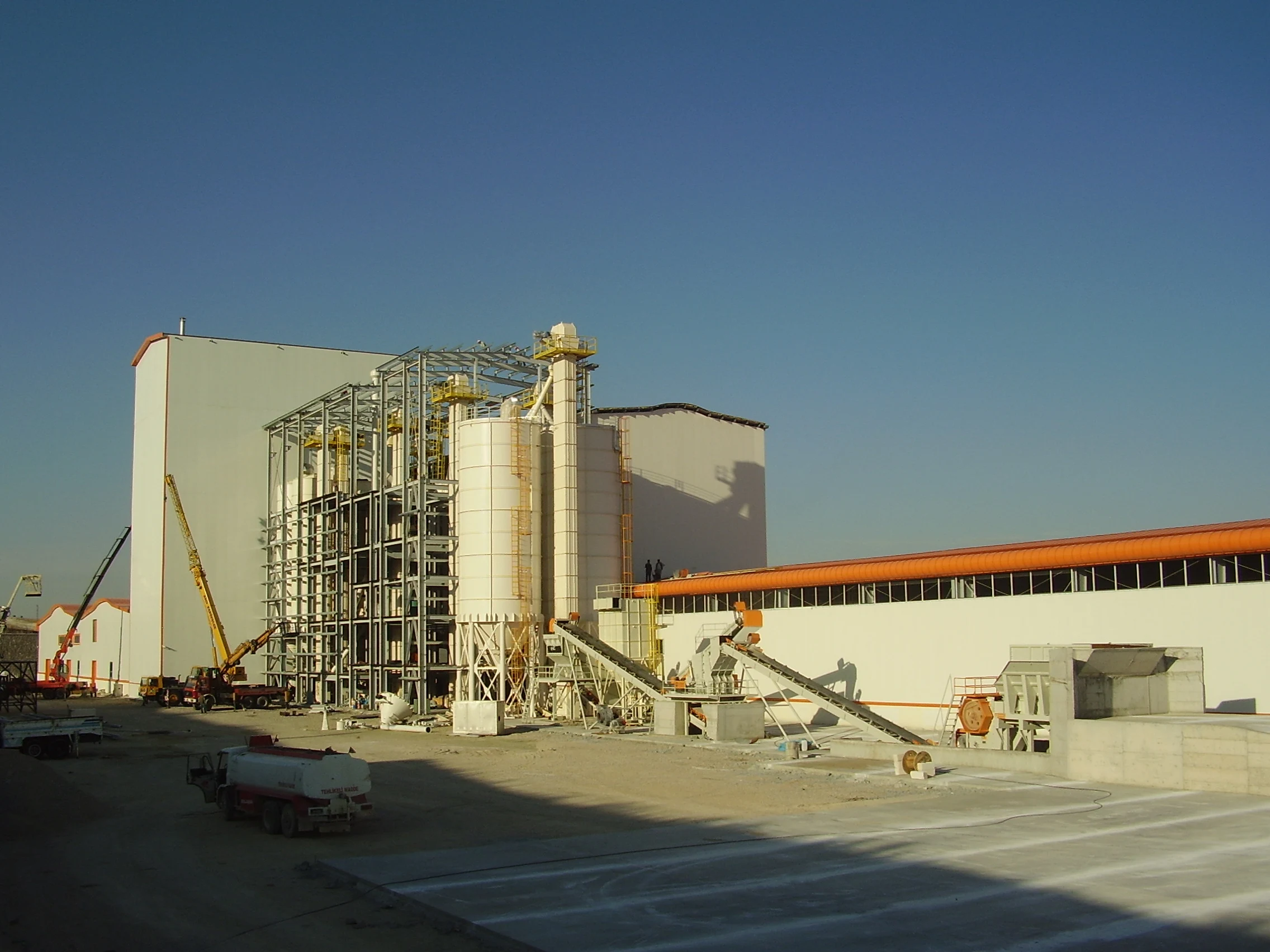
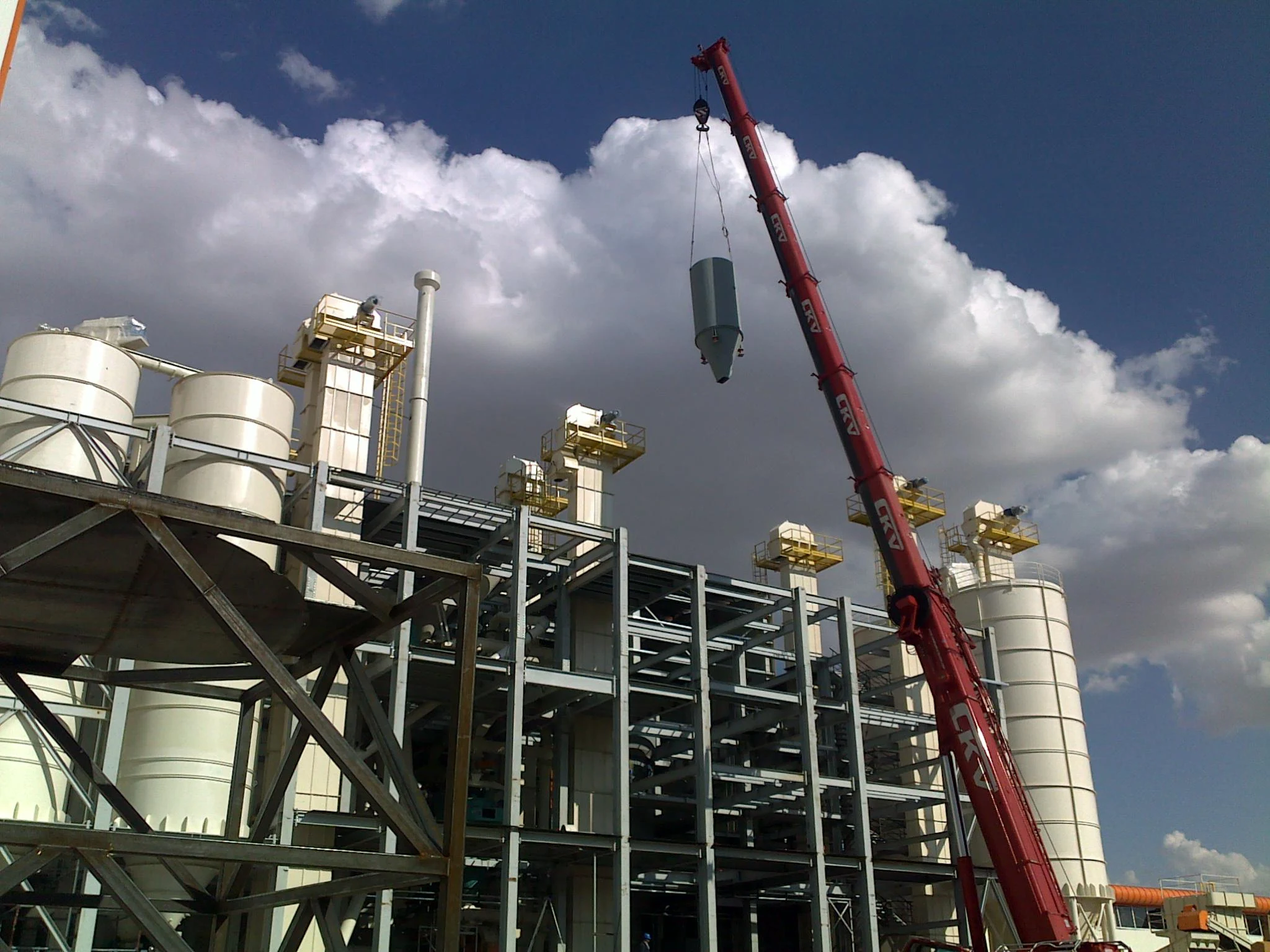
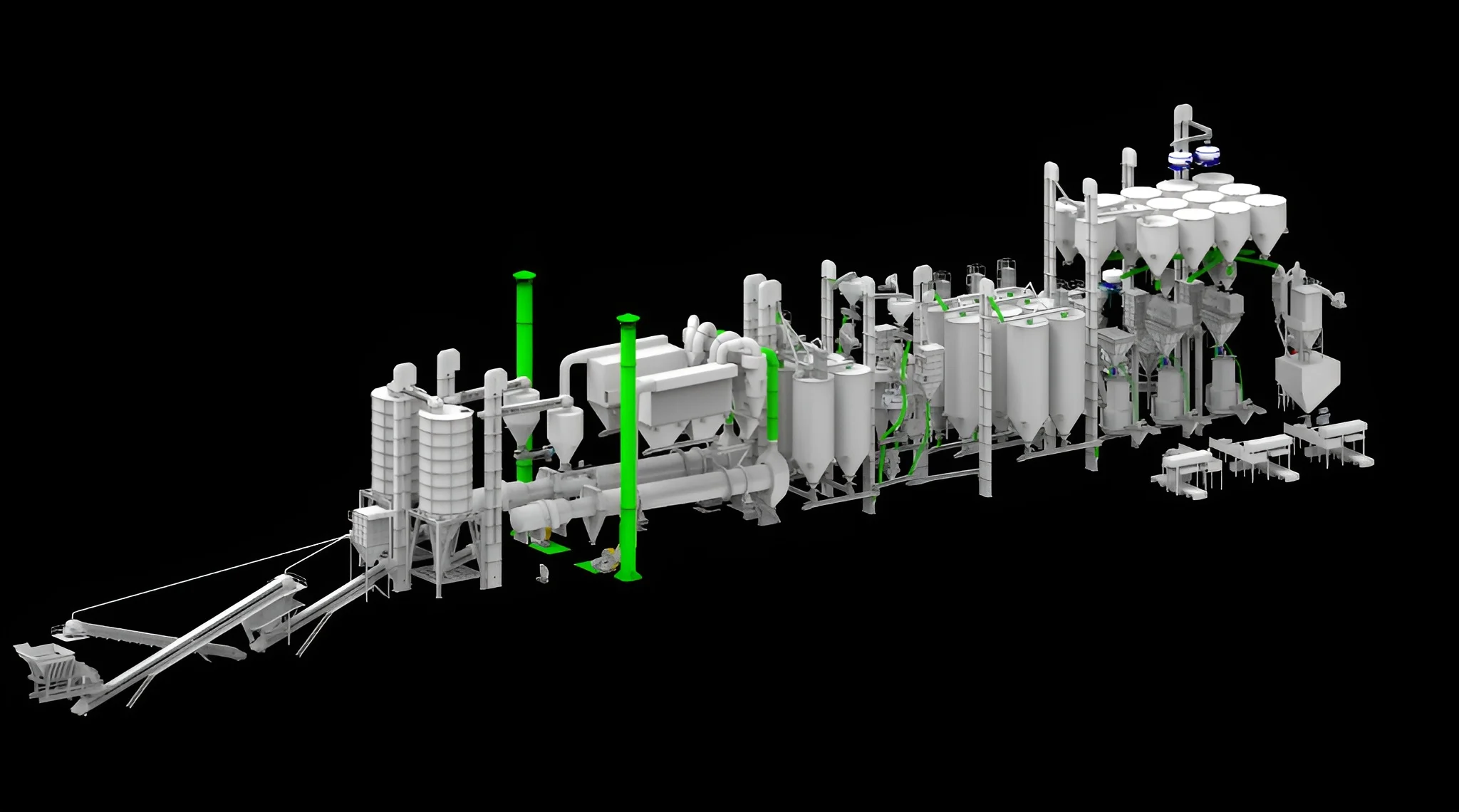
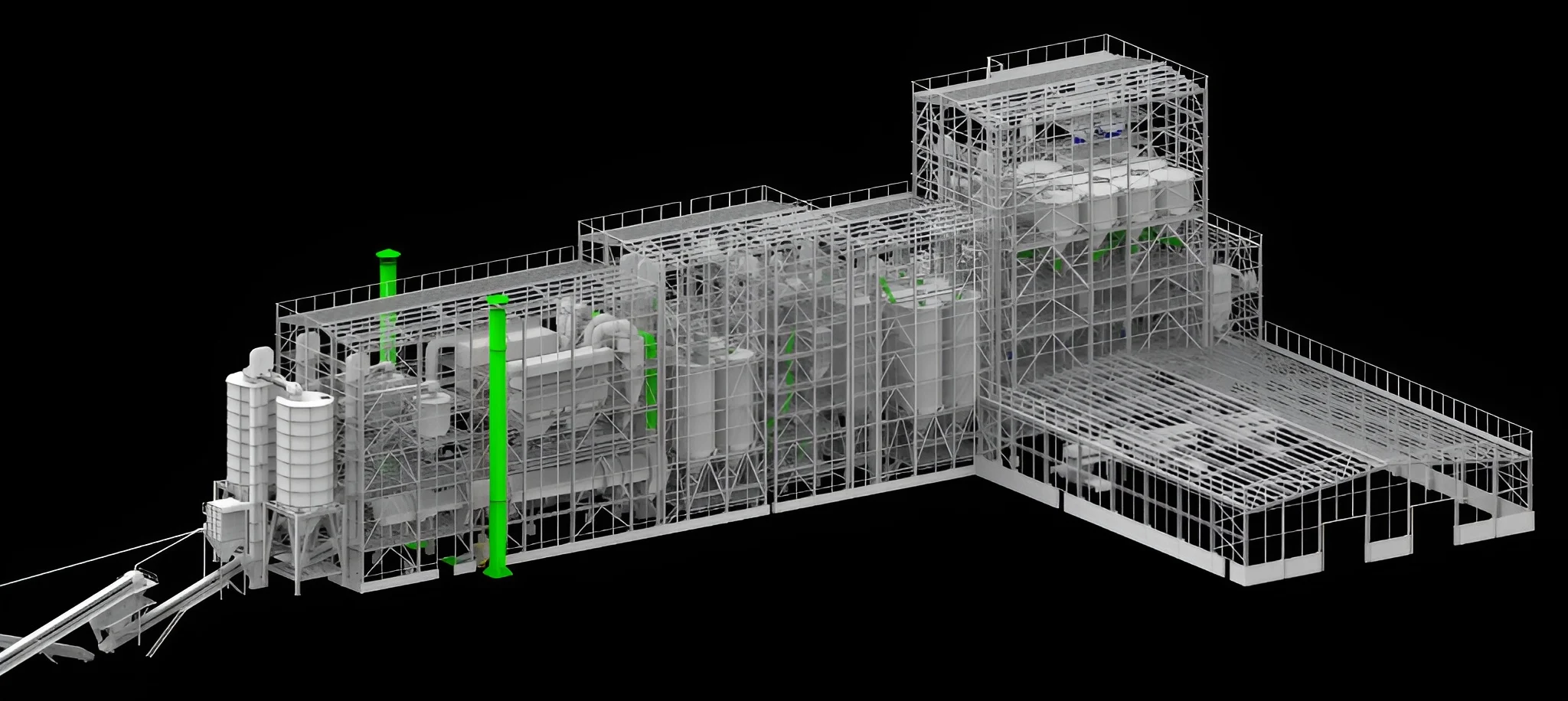
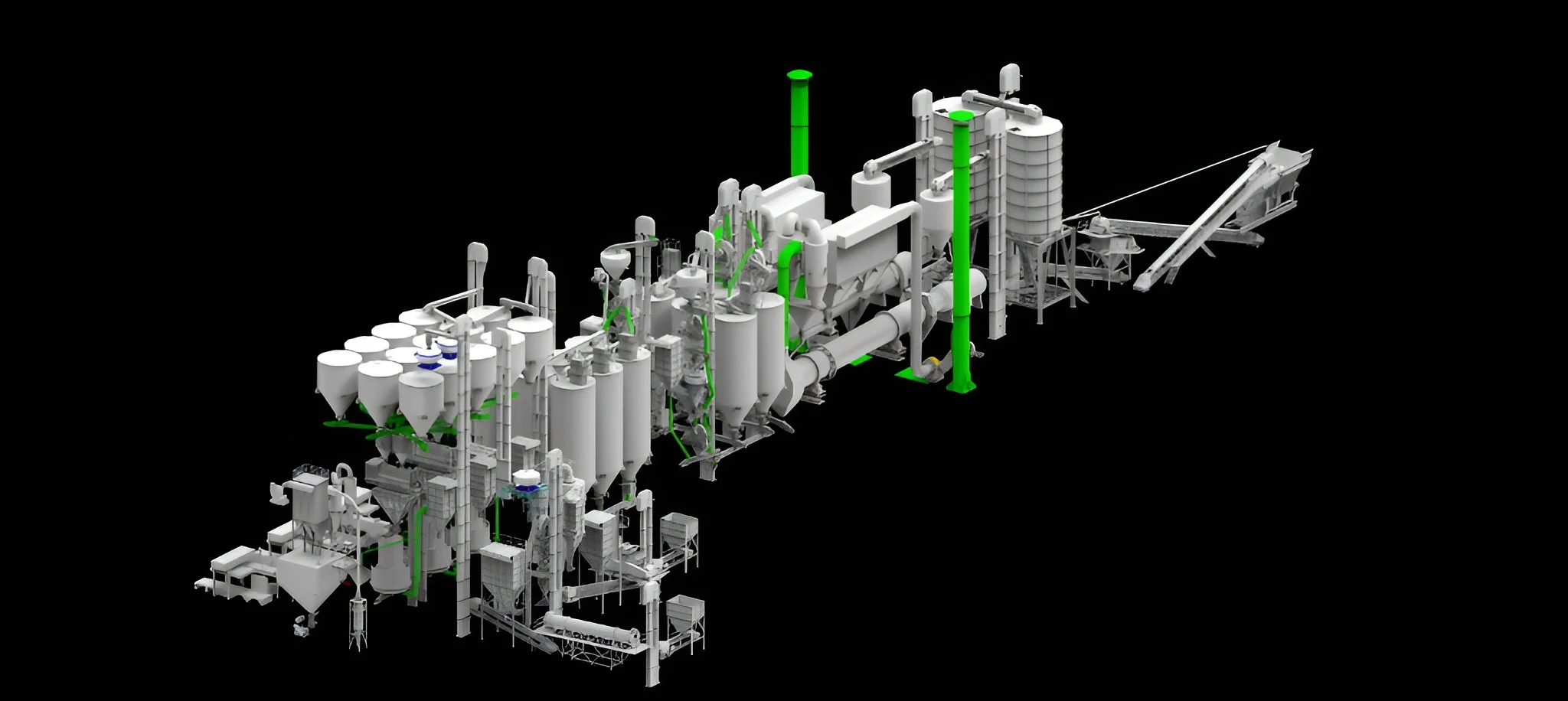
However, an efficient gypsum plant is not limited to the calcination unit alone. ENIVO approaches the entire production line as an integrated system, from raw material preparation to calcination, cooling, mixing, and final product packaging. This approach helps ensure consistent product quality, smooth interaction between process stages, and improved overall plant efficiency.
Explore Calcination Types
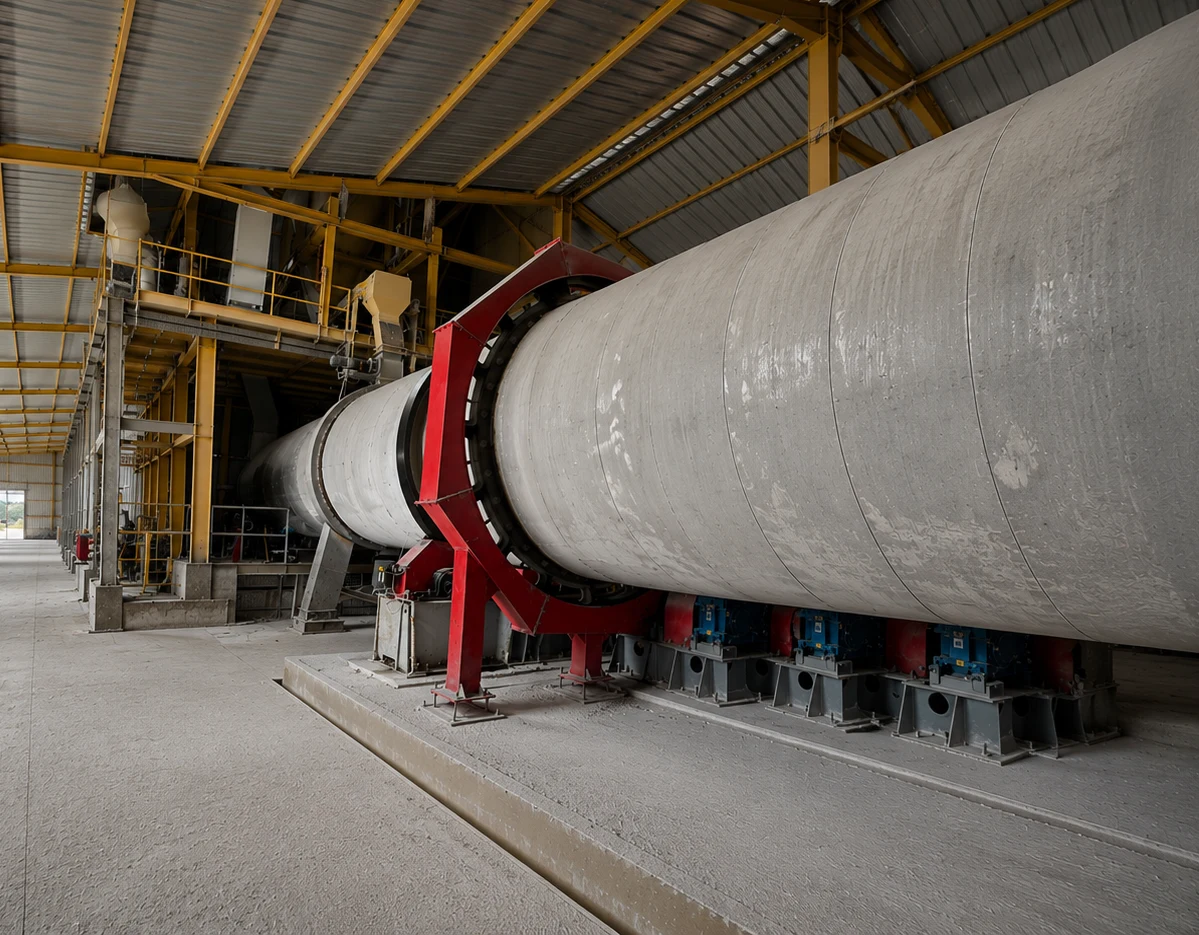
Rotary Calcination Kiln
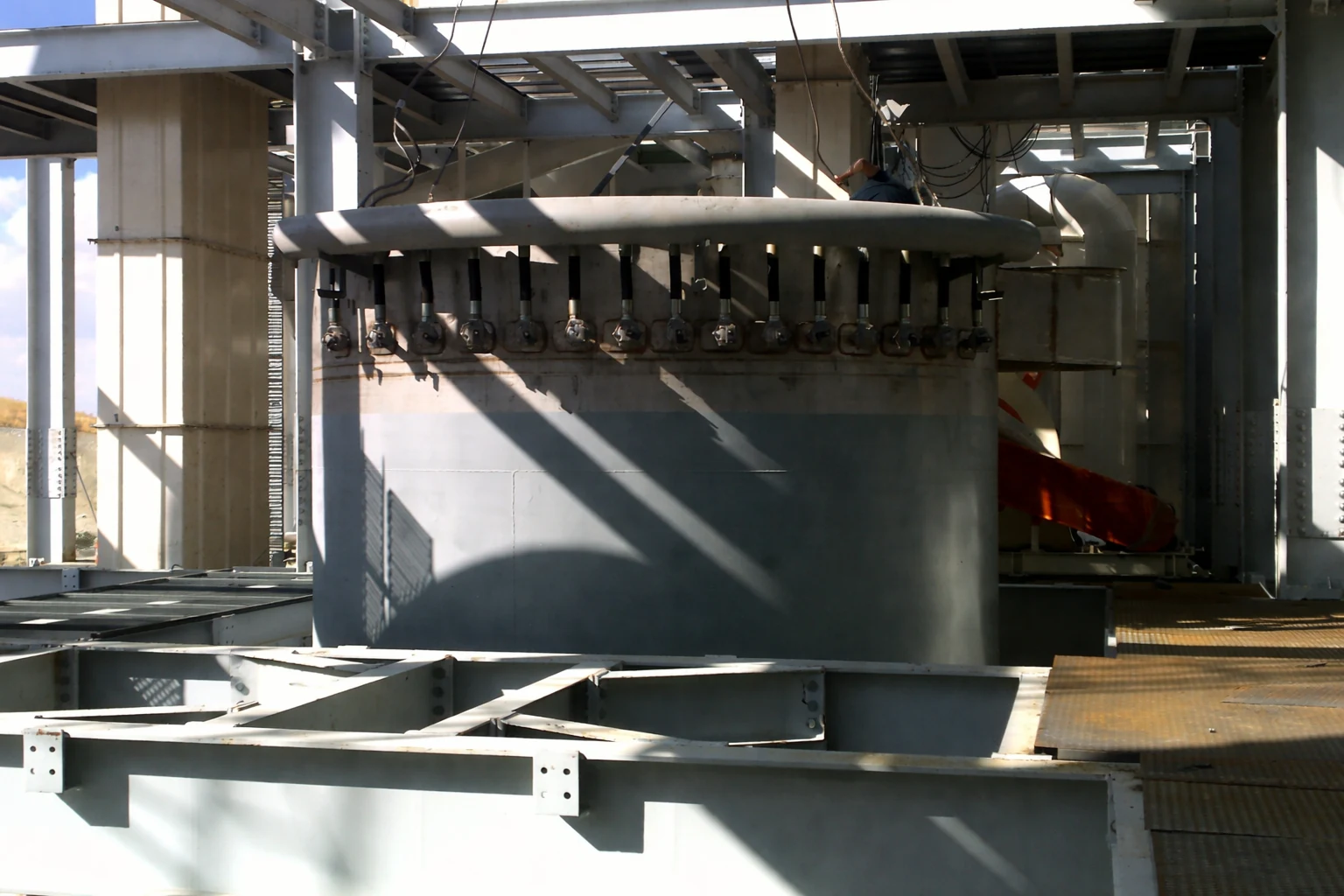
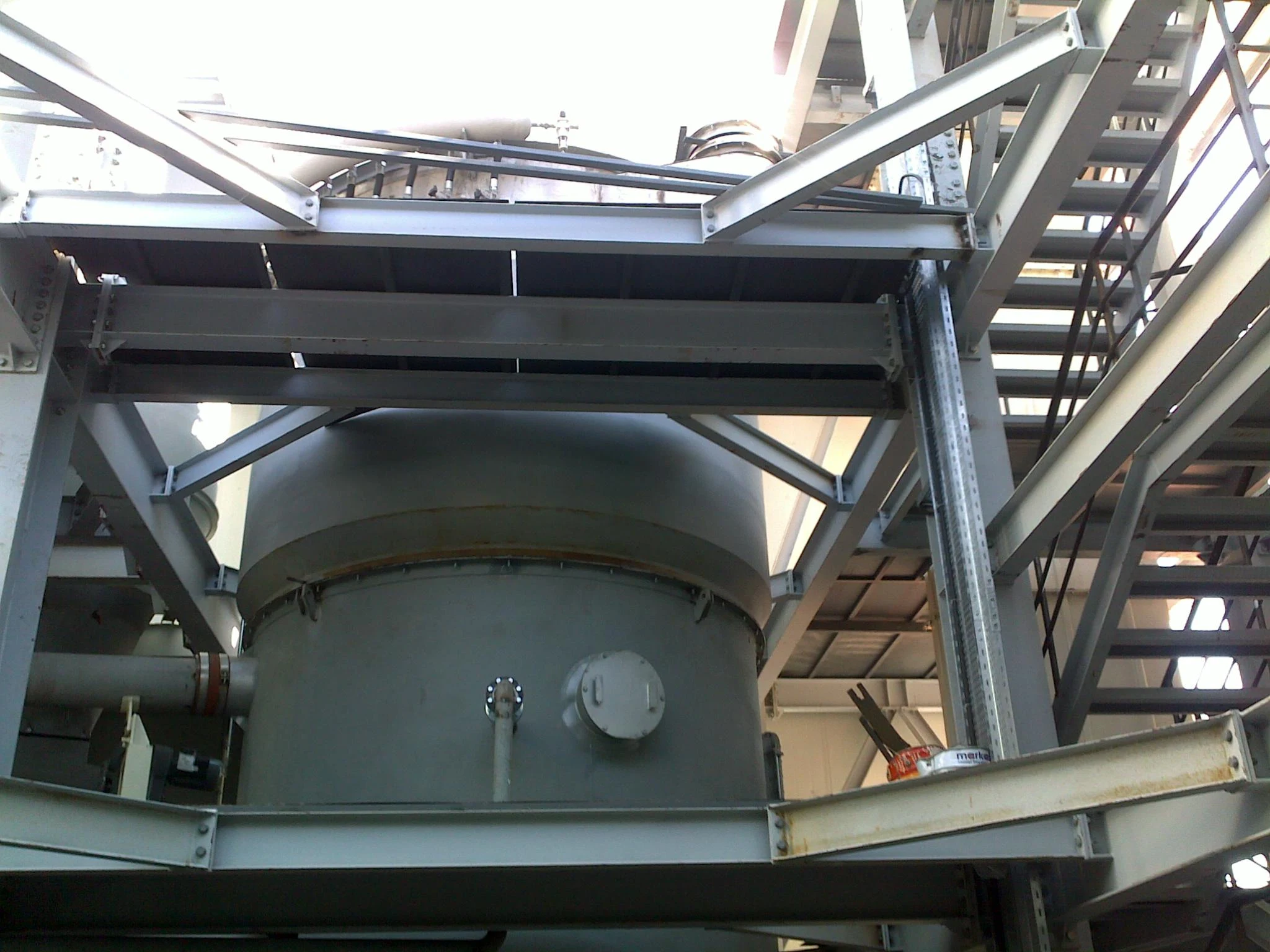
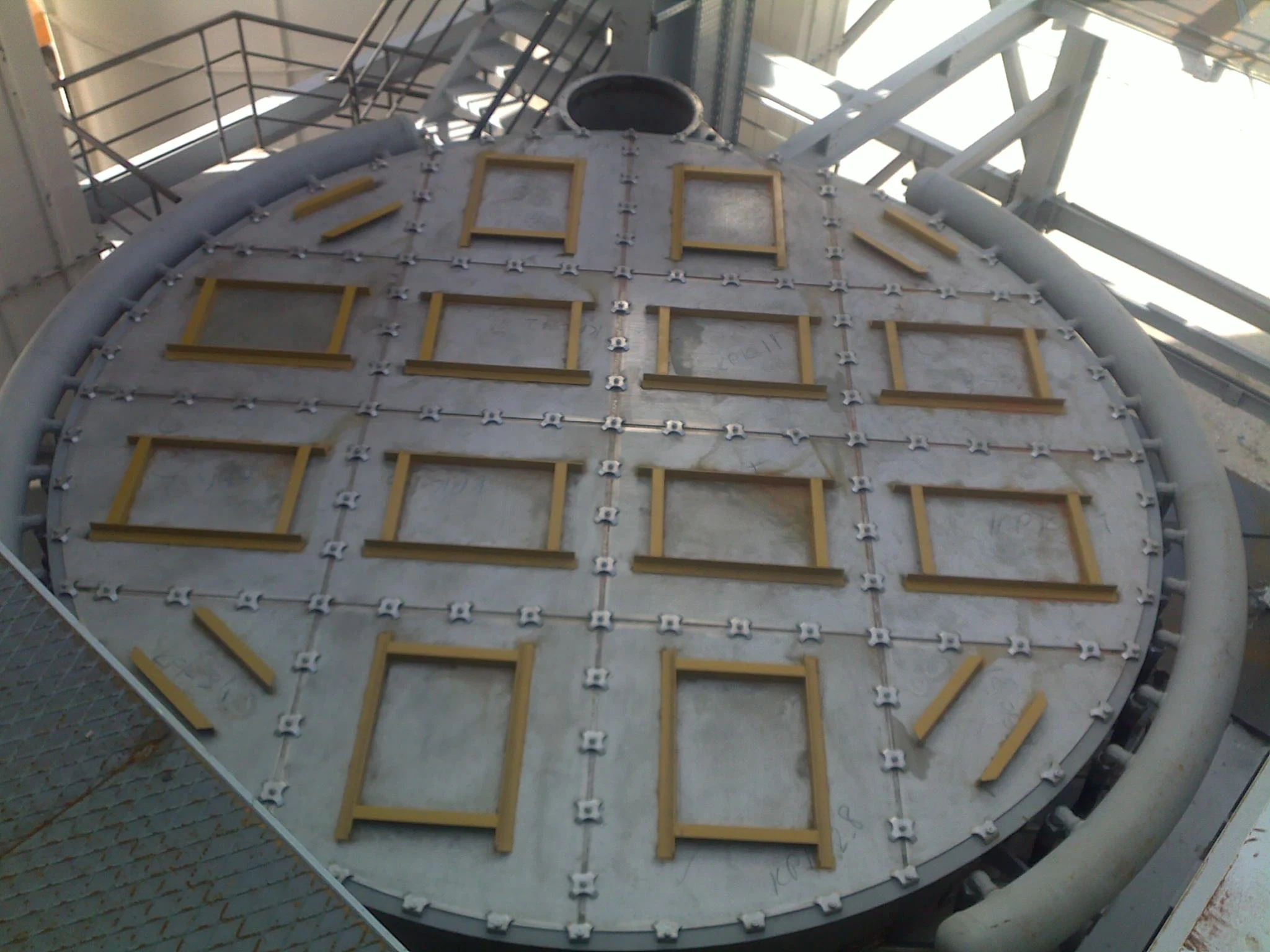
Vertical Calcination Kiln
Process Approach
Success in gypsum production depends not only on temperature levels, but also on the characteristics of the raw material, the target end product, and the proper configuration of downstream processes. Natural gypsum and synthetic gypsum are both widely used in the industry; however, these materials have different properties and therefore require different calcination approaches. For this reason, ENIVO designs each process not only based on capacity requirements, but also in accordance with the characteristics of the raw material and the desired product formulation.
Continuous cooling of stucco after calcination creates more stable operating conditions for subsequent process stages. This contributes to more controlled and repeatable results, especially in mixing, additive dosing, and bagging operations.
Integrated Plant Scope
Depending on project requirements, ENIVO gypsum calcination plants can be configured to include the following process stages:
This integrated approach enables the line not only to produce, but also to maintain the targeted product characteristics more consistently.

Key Features
Solutions Tailored to Raw Material and Final Product
In gypsum production, selecting the right technology must be based on the source of the raw material and the characteristics of the desired final product. Raw materials of natural or synthetic origin may behave differently. Likewise, the production of gypsum plaster, gypsum board, or specialty building materials requires different levels of process sensitivity. Therefore, proper process design depends not only on the equipment itself, but also on the right engineering approach.
Why ENIVO Gypsum Calcination Plants?
ENIVO approaches gypsum production plants not merely as calcination equipment, but as complete process systems extending from raw material to final product. This approach enables:
ENIVO gypsum calcination plants deliver long-lasting, efficient, and sustainable production solutions through process know-how, proper equipment selection, and an integrated line approach.