Vertical Calcination Kiln
Efficient Calcination for High-Strength Gypsum Production
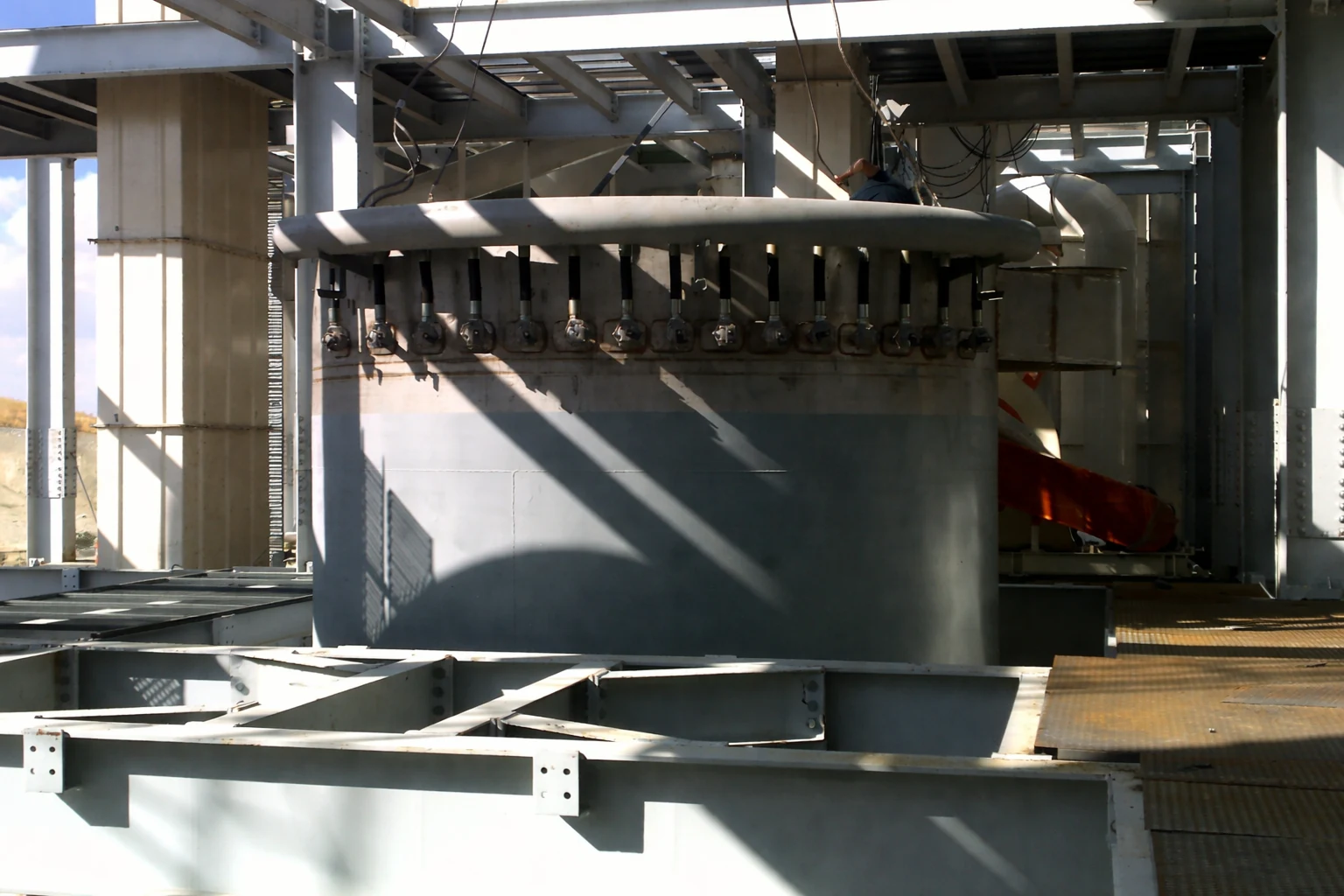
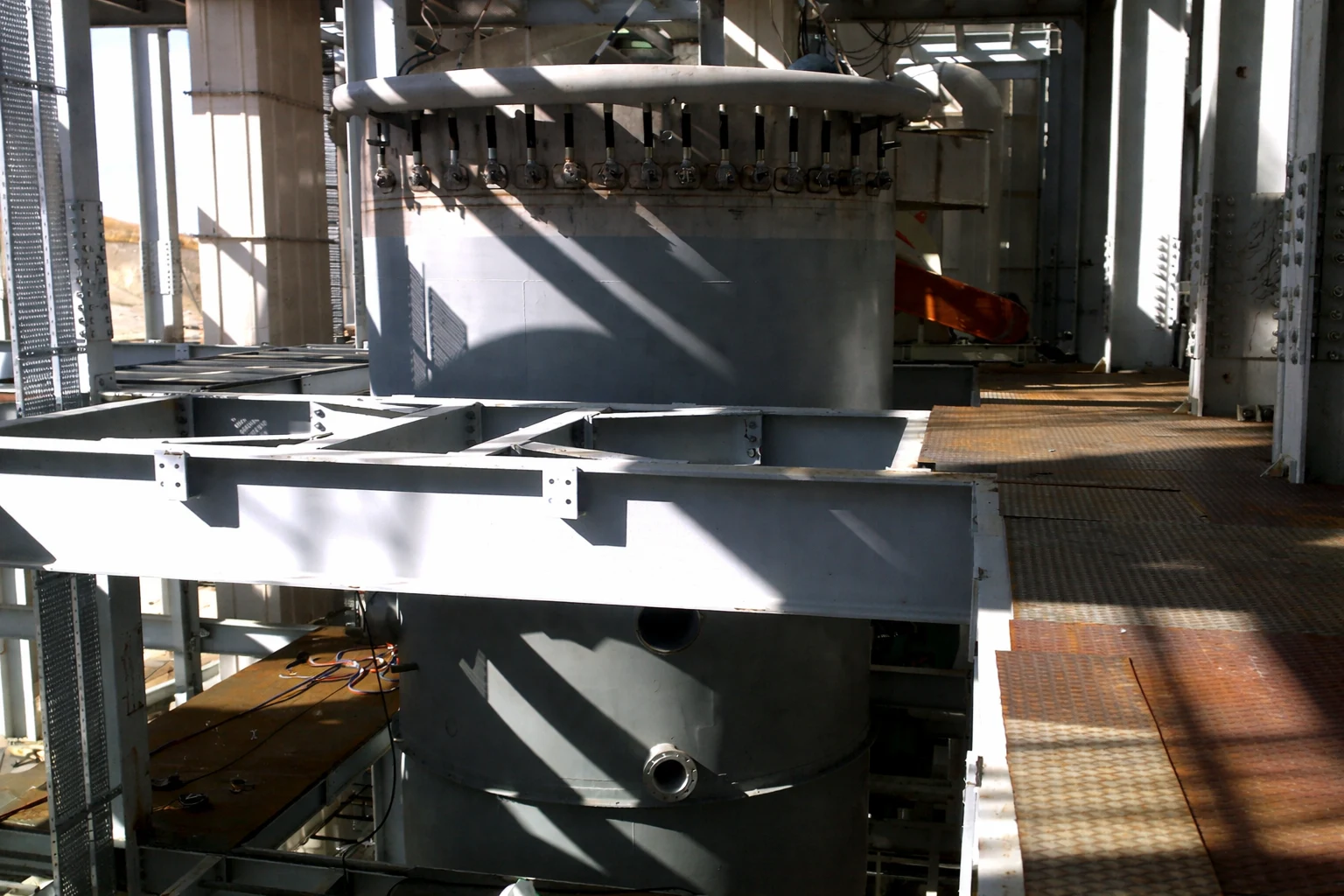
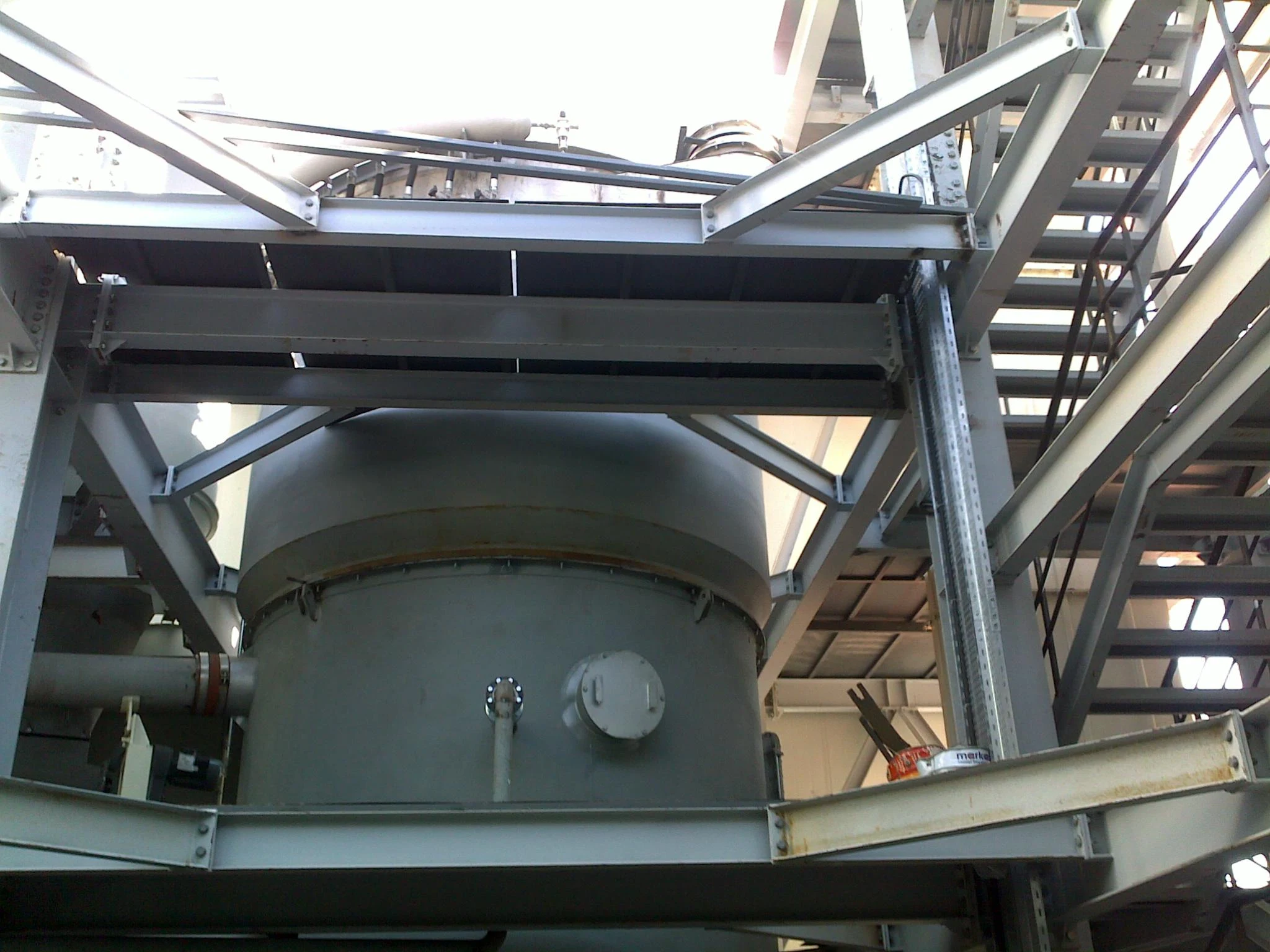
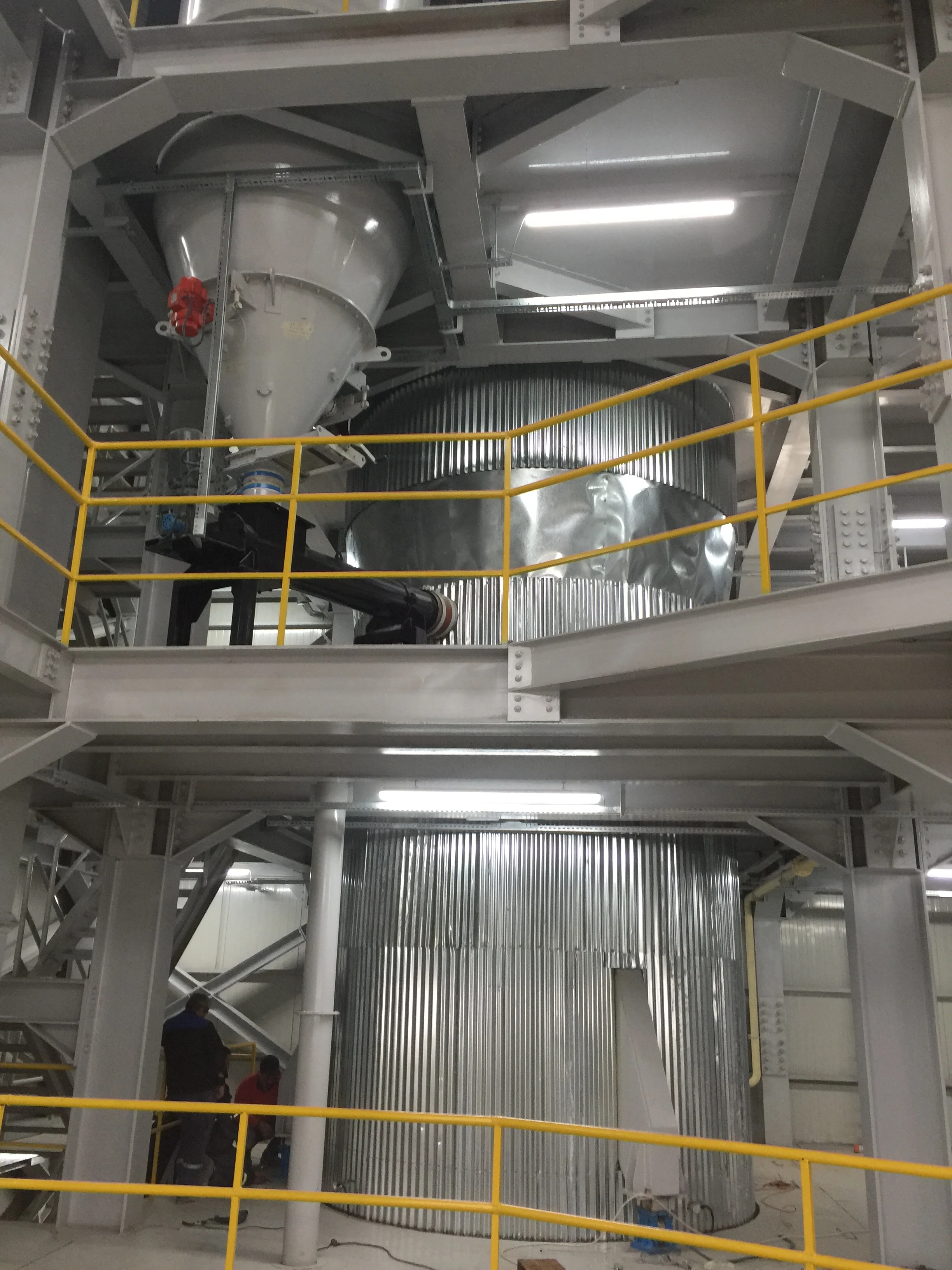
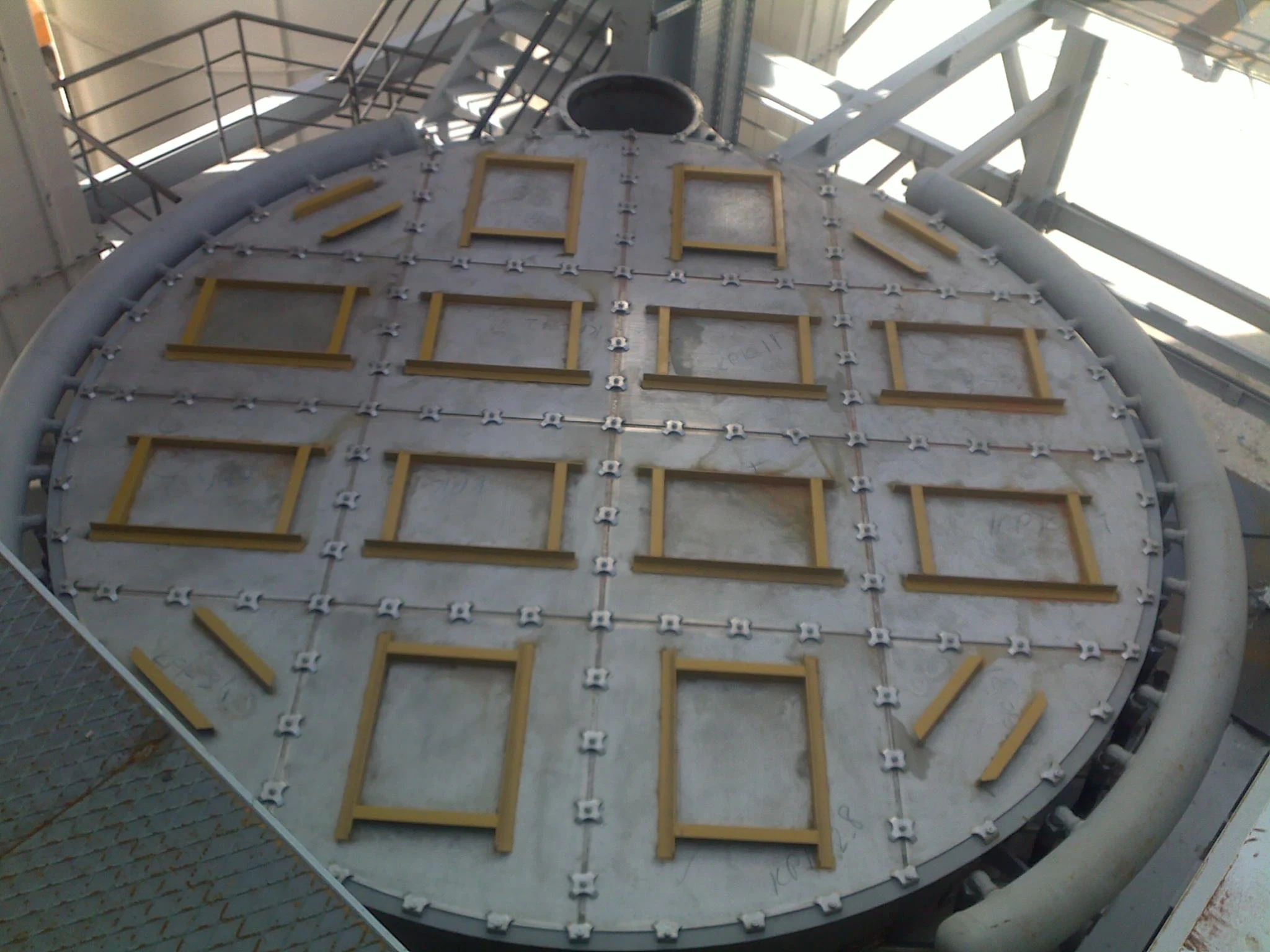
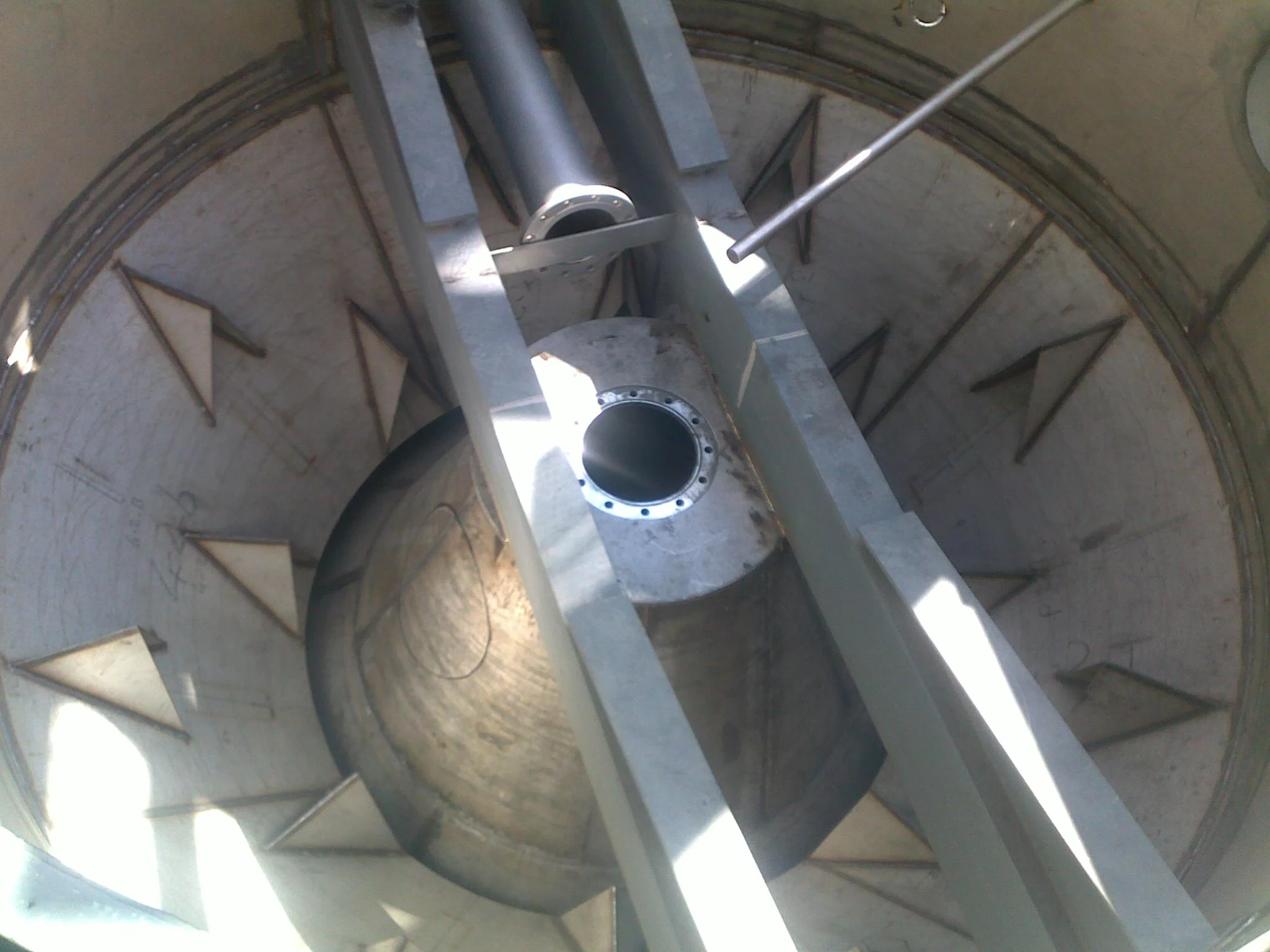
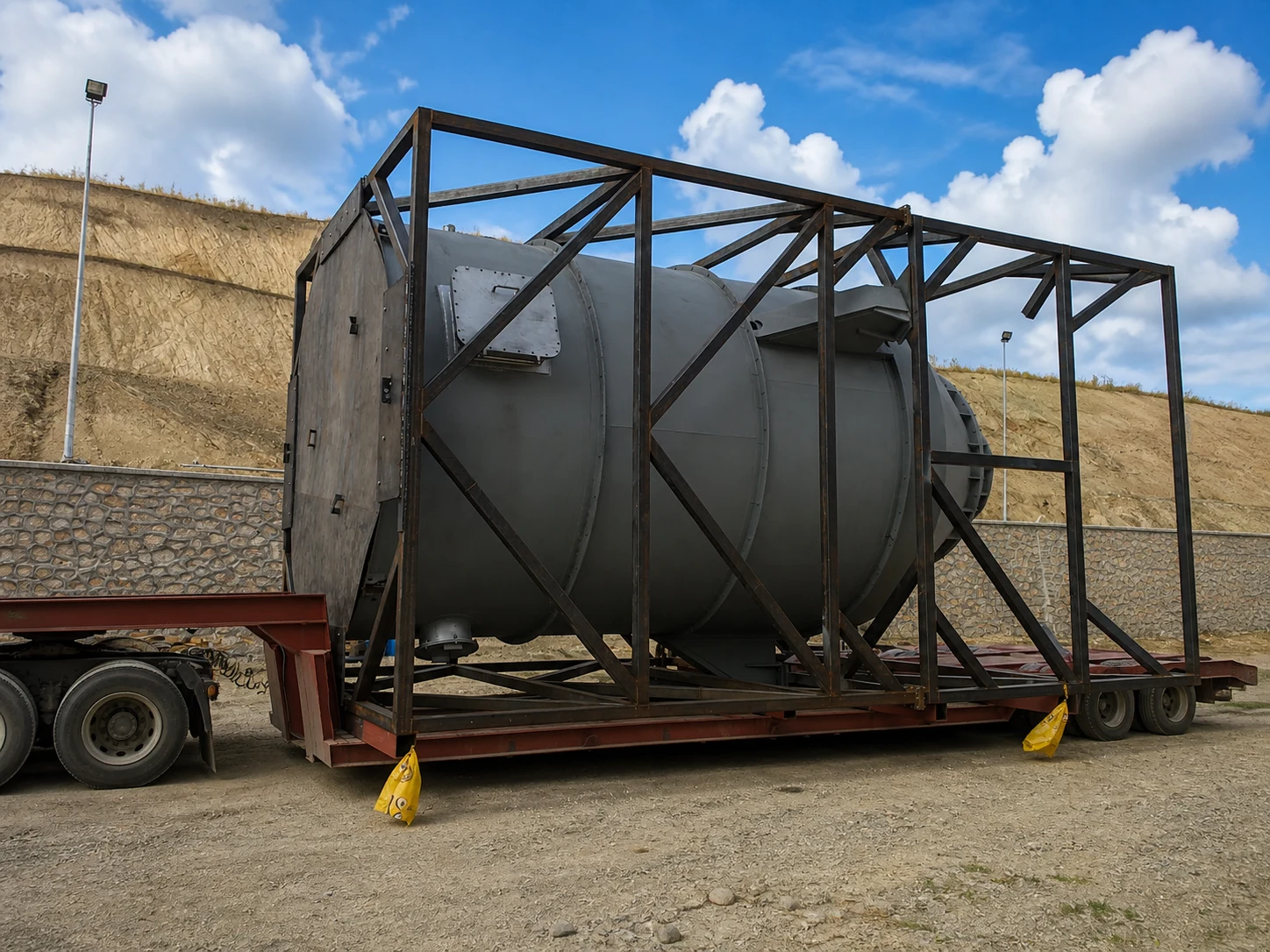
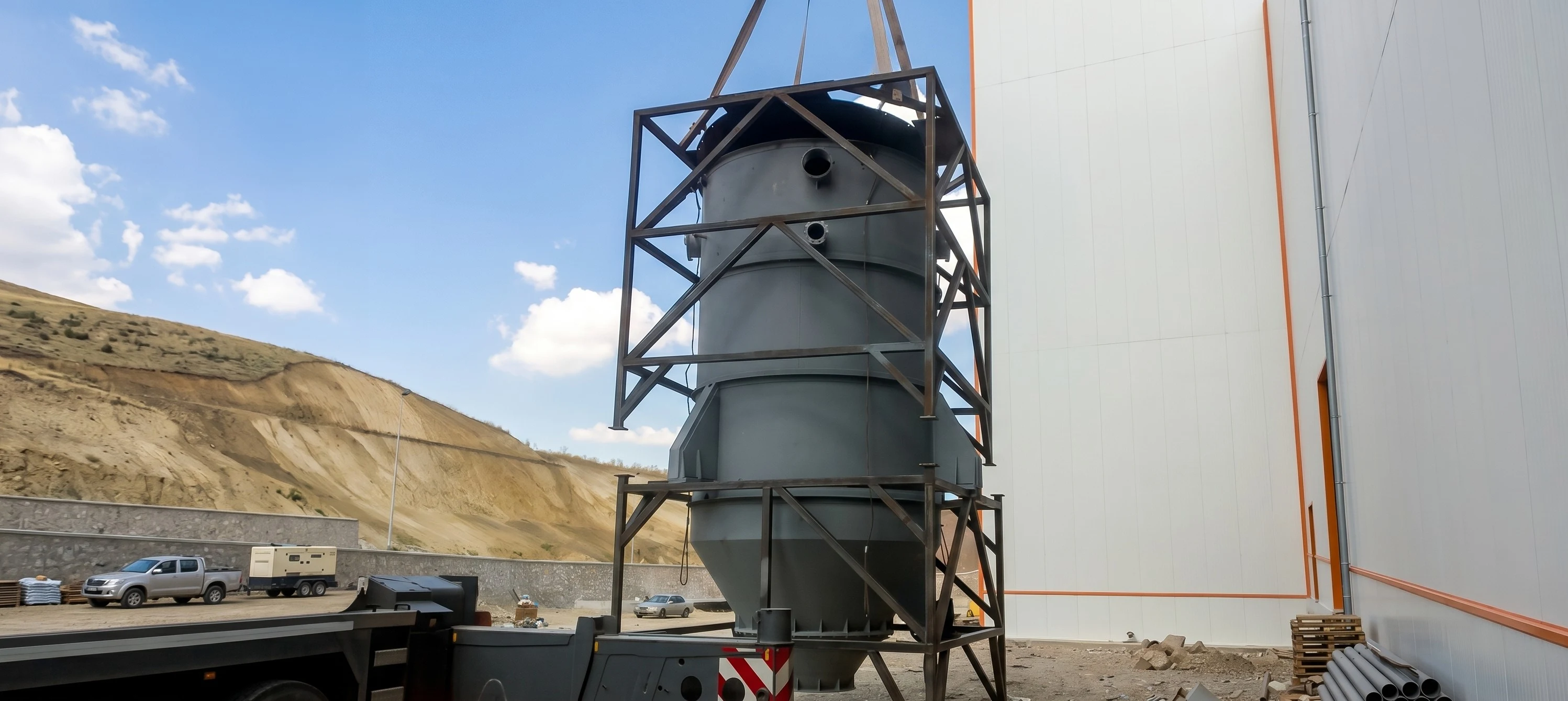
ENIVO Vertical Calcination Kilns are designed to convert gypsum rock into high-quality calcined gypsum through a slow and precisely managed calcination process. Direct contact between the material and hot gases enables efficient heat transfer throughout the process and supports the targeted final product properties.
This technology stands out as an efficient calcination solution with low energy consumption, a simplified plant structure, and low maintenance requirements. The high-strength potential, optimized setting behavior, and quality consistency of the resulting product make it a suitable process infrastructure for both plaster and plasterboard production.
Process Description
In a vertical calcination kiln, crushed gypsum rock with a suitable particle size is fed from the upper section of the kiln and moves downward vertically. Hot combustion gases generated in the internally fired system move in the opposite direction to the gypsum rock and pass through the material bed. This counter-current gas–material movement creates intensive contact between gypsum rock particles and hot gases, enabling effective heat transfer.
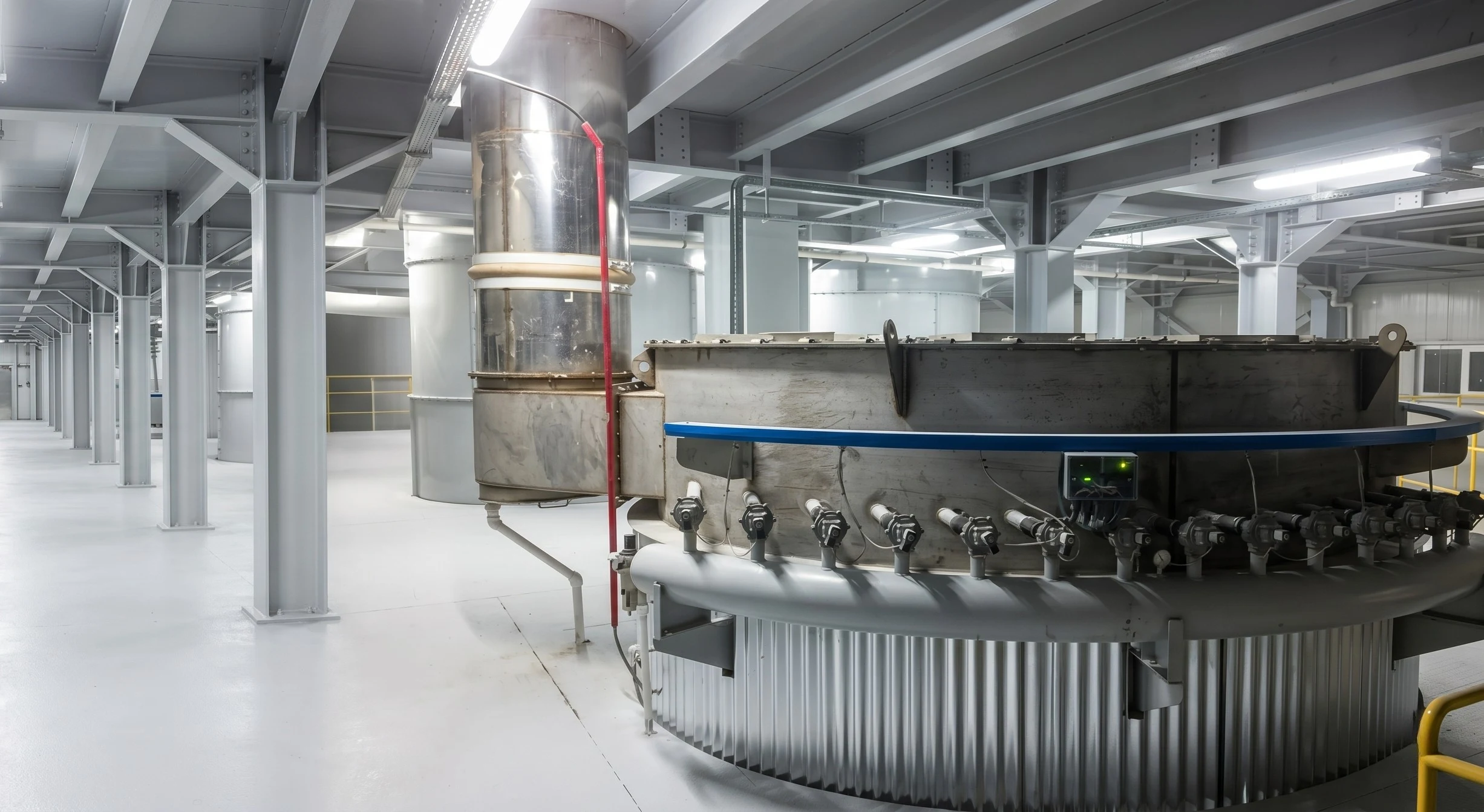
Throughout calcination, the internal kiln pressure helps the hot gases pass through the material bed in a controlled manner. The process takes place at approximately 350–400 mbar and is continuously monitored by temperature and pressure measuring instruments installed on the kiln. The PLC automation system monitors process temperature and internal kiln pressure, contributing to reliable operating conditions.
The bag filter located at the upper section of the kiln enables hot gas and vapor to be discharged from the system in an orderly manner. By utilizing the internal kiln pressure, this structure eliminates the need for a large additional extraction fan and creates a simpler, more energy-efficient system configuration.
At the end of the process, the calcined gypsum is discharged from the lower section of the kiln. Temperature management, counter-current gas contact, and pressure-assisted process conditions make it possible to remove crystal water in a balanced manner and manage the product phase structure within the targeted range.
Vertical kiln technology enables the production of calcined gypsum with approximately 80–85% beta gypsum and 15–20% alpha gypsum characteristics. The alpha gypsum character in the product structure contributes to higher final product strength.
Technical Data
Key Advantages
System Features
Why ENIVO Vertical Calcination Kilns?
ENIVO Vertical Calcination Kilns combine high product quality, strength advantage, and low operating cost in an efficient solution. The internally fired and counter-current process structure allows hot gases to pass through the gypsum rock in a controlled manner, improving energy use.
With the contribution of alpha gypsum character to product structure, optimized setting time, and reliable product behavior, ENIVO Vertical Calcination Kilns provide a strong process infrastructure for plaster and plasterboard production.
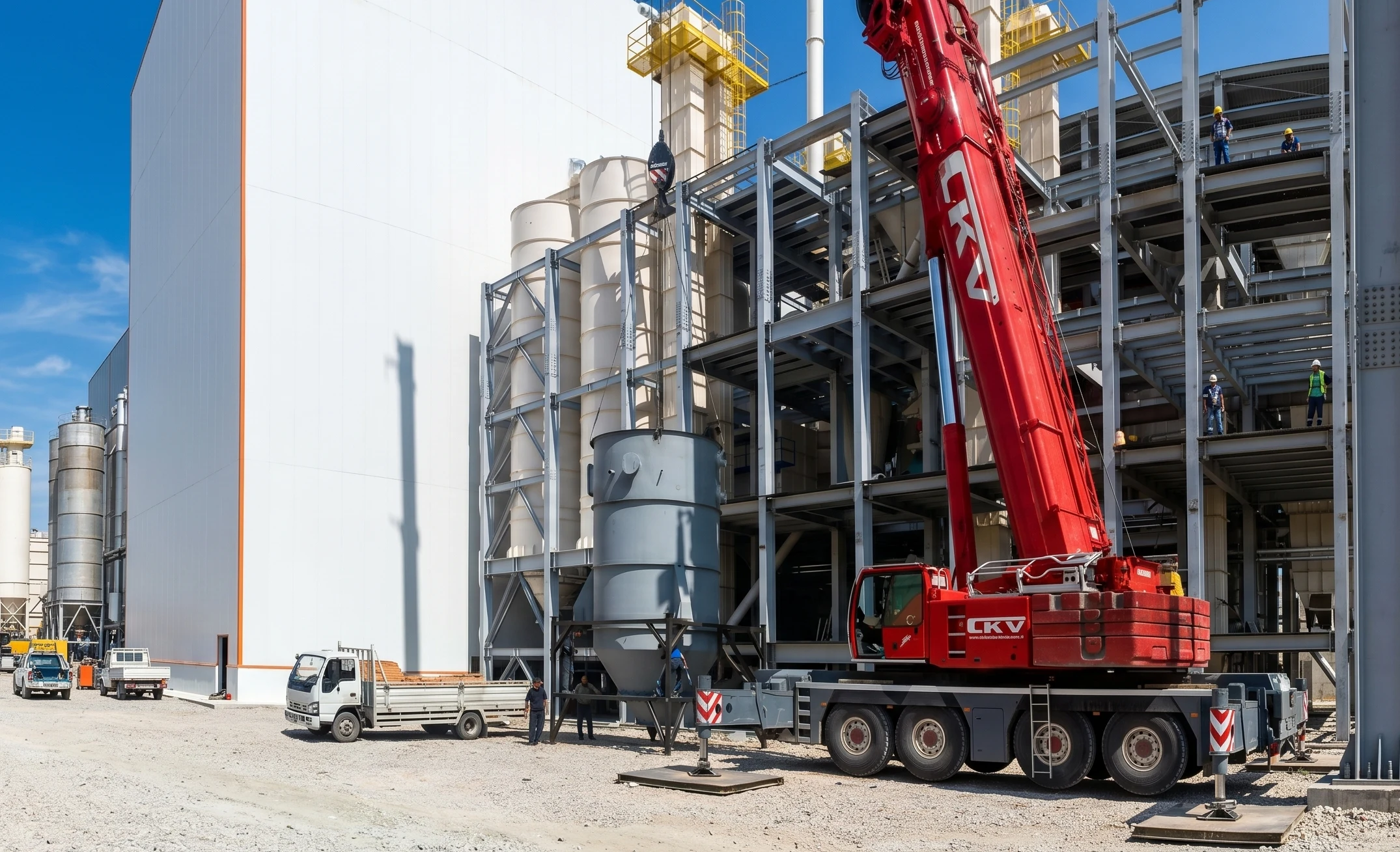
Durable construction, low maintenance requirements, short installation time, and PLC-based control infrastructure enable reliable process management. ENIVO provides not only equipment in vertical calcination kilns, but also a long-lasting, efficient, and sustainable production solution.