Linear Vibrating Screens
Industrial Screening Solutions for High Capacity and Reliable Classification
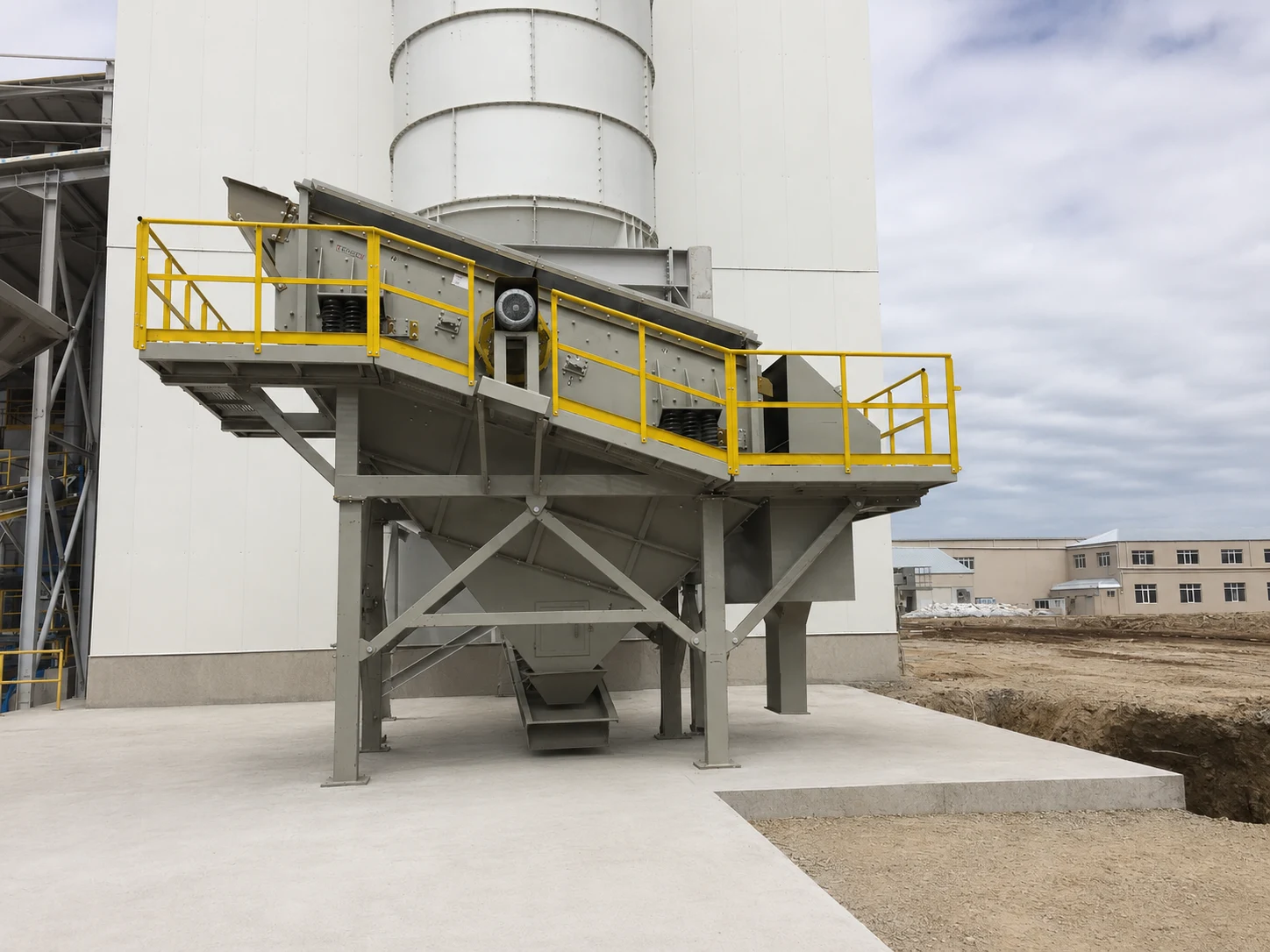
Linear vibrating screens are designed for the classification of bulk materials based on particle size, offering high capacity and continuous operation. The controlled linear motion allows material to move steadily across the screen surface and be separated into target fractions.
Operating Principle
Linear vibrating screens operate using a directional linear motion that moves material across the screening surface. This motion promotes uniform material distribution and controlled interaction between particles and screen openings.
Screening performance depends on factors such as particle size distribution, feed conditions, vibration characteristics, screen media, and deck configuration.
Process Advantages
Circular Tumbler Screeners
High Screening Accuracy and Controlled Separation Performance
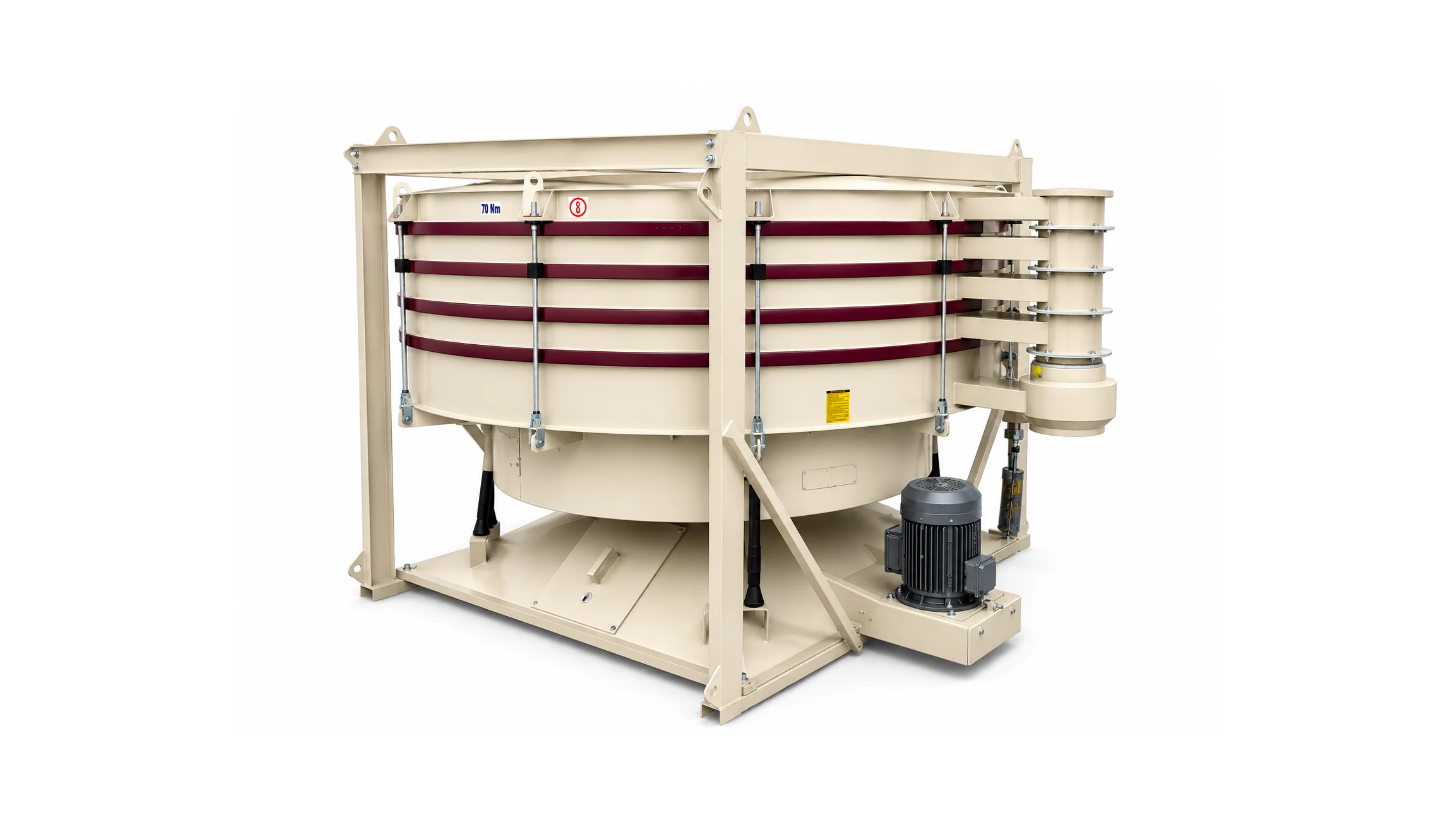
Circular tumbler screeners are advanced screening systems developed for the precise classification of fine, lightweight, and sensitive materials. Thanks to their controlled tumbling motion, the material remains on the screen surface longer, increasing separation efficiency.
Operating Principle
Circular tumbler screeners operate with a controlled, low-acceleration motion that moves the material from the center outward. This allows the material to spread more evenly across the screen surface and remain in contact longer, improving classification accuracy.
Unlike aggressive vibration systems, this gentle motion minimizes product degradation while maintaining high separation precision.
Process Advantages
High-Efficiency Multi-Deck Sizer Screens
Layered Separation Principle for High Capacity and Precise Classification
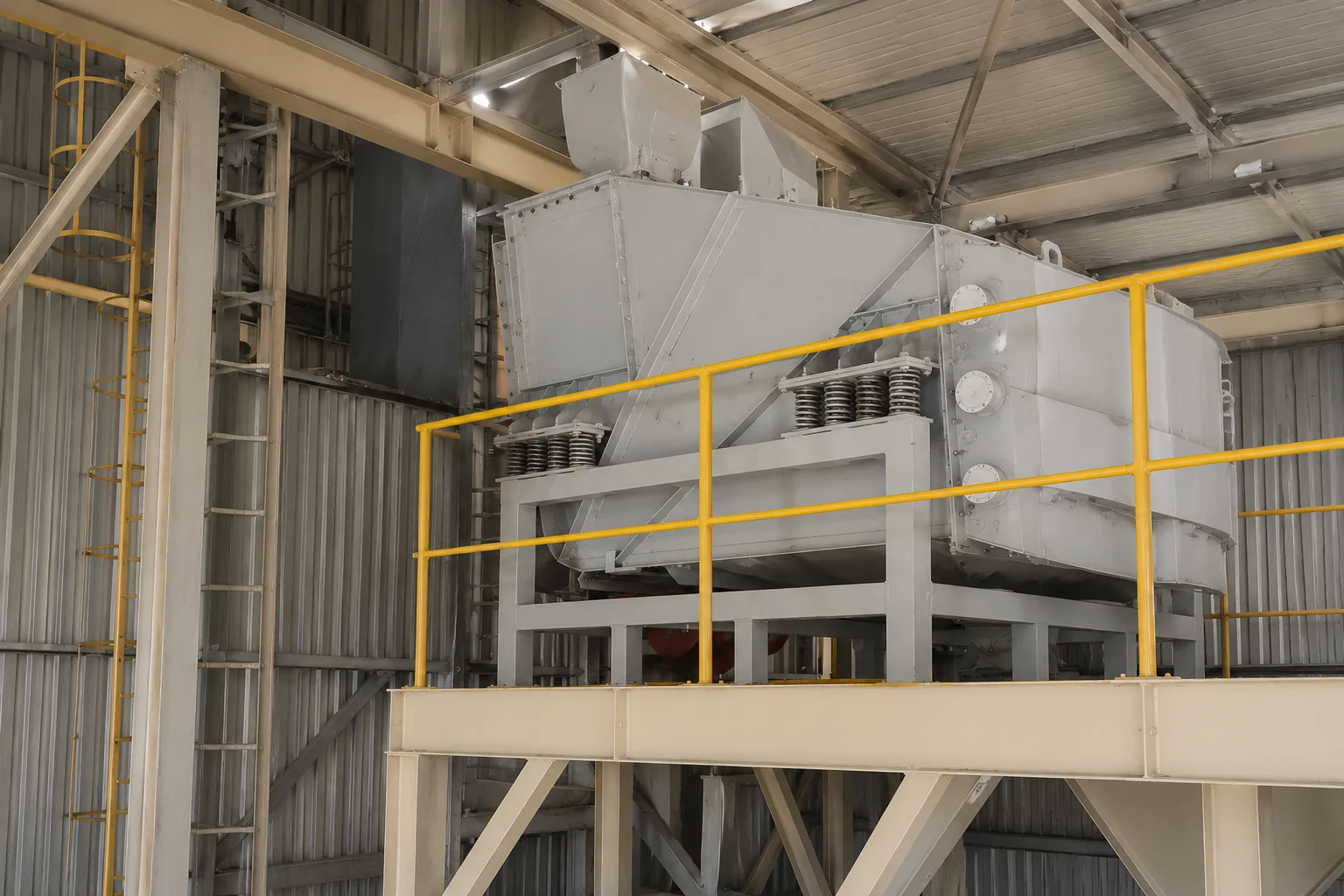
Sizer screens are advanced screening systems designed to combine high capacity with precise classification. Their multi-deck structure and optimized screening geometry enable controlled material distribution across multiple layers, ensuring effective separation of different particle sizes.
Operating Principle
In sizer systems, material is fed from the top and progresses through multiple screen decks in a staged manner. Each deck contributes to distributing the material more evenly and increasing its interaction with the screening surface.
This staged configuration prevents material accumulation on a single surface and enhances separation efficiency.