
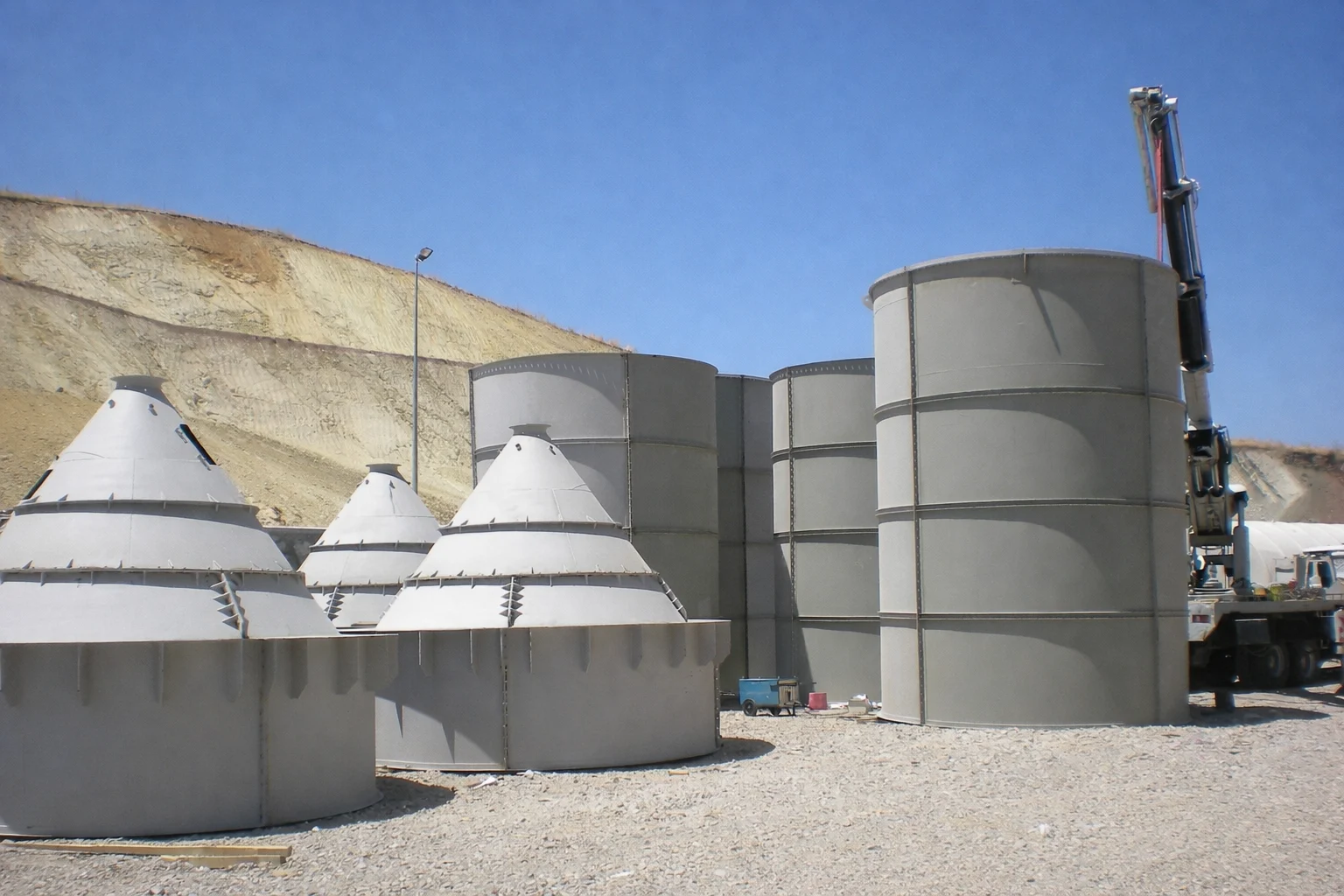
Silo Design Based on Product and Layout
In silo design, the physical characteristics of the material, its flowability, tendency to bridge or compact, discharge behavior and downstream feeding requirements are evaluated together. In this way, the silo is designed not only as a storage unit but as a system component that supports stable and reliable process operation.
Silo geometry is determined based on product flow behavior, required storage capacity and plant layout, and can be designed as cylindrical, prismatic (square/rectangular) or application-specific configurations. Cone angle, discharge equipment and flow aid systems are also selected according to product characteristics.
Technical Specifications
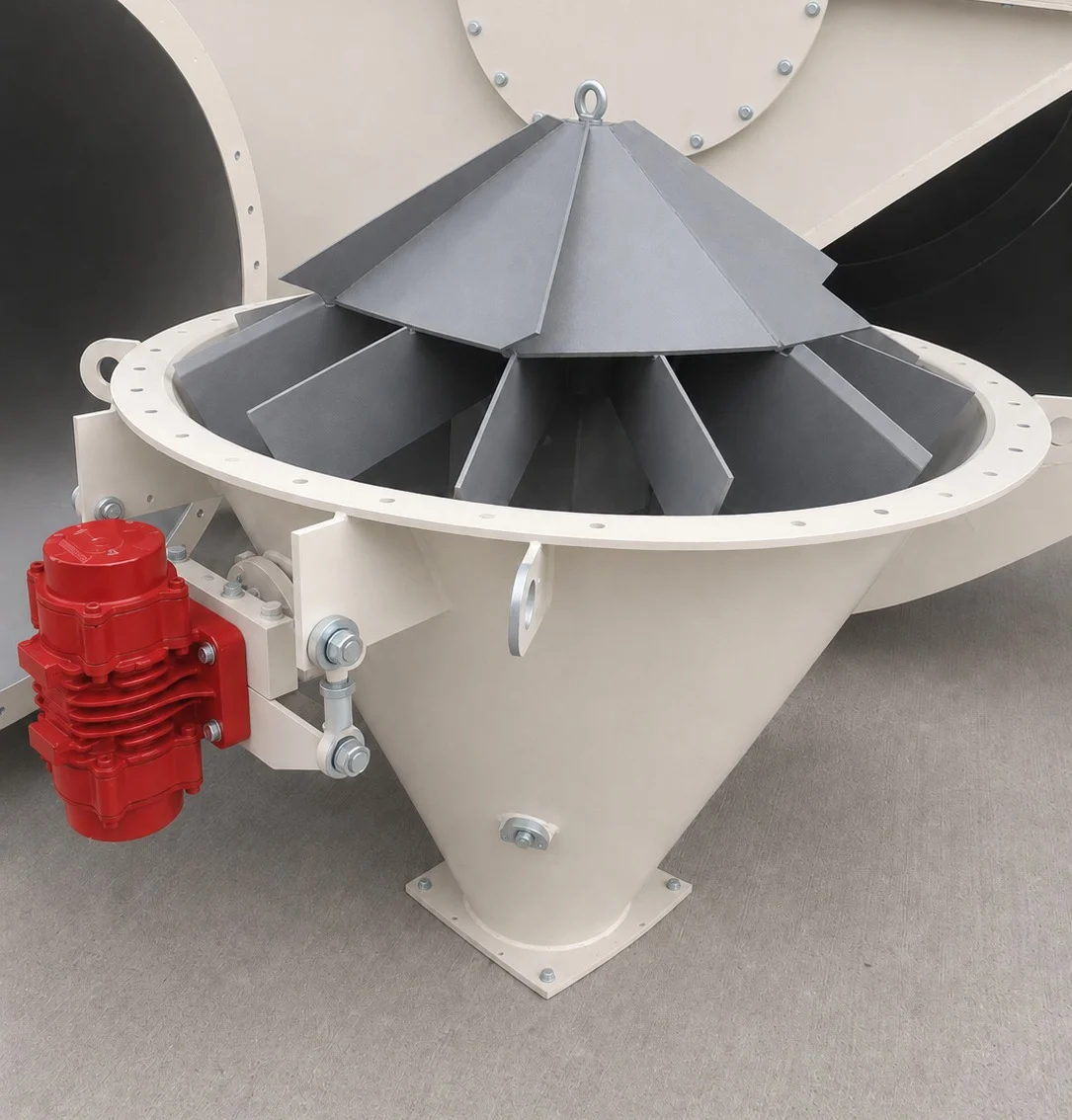
Safety and Integration
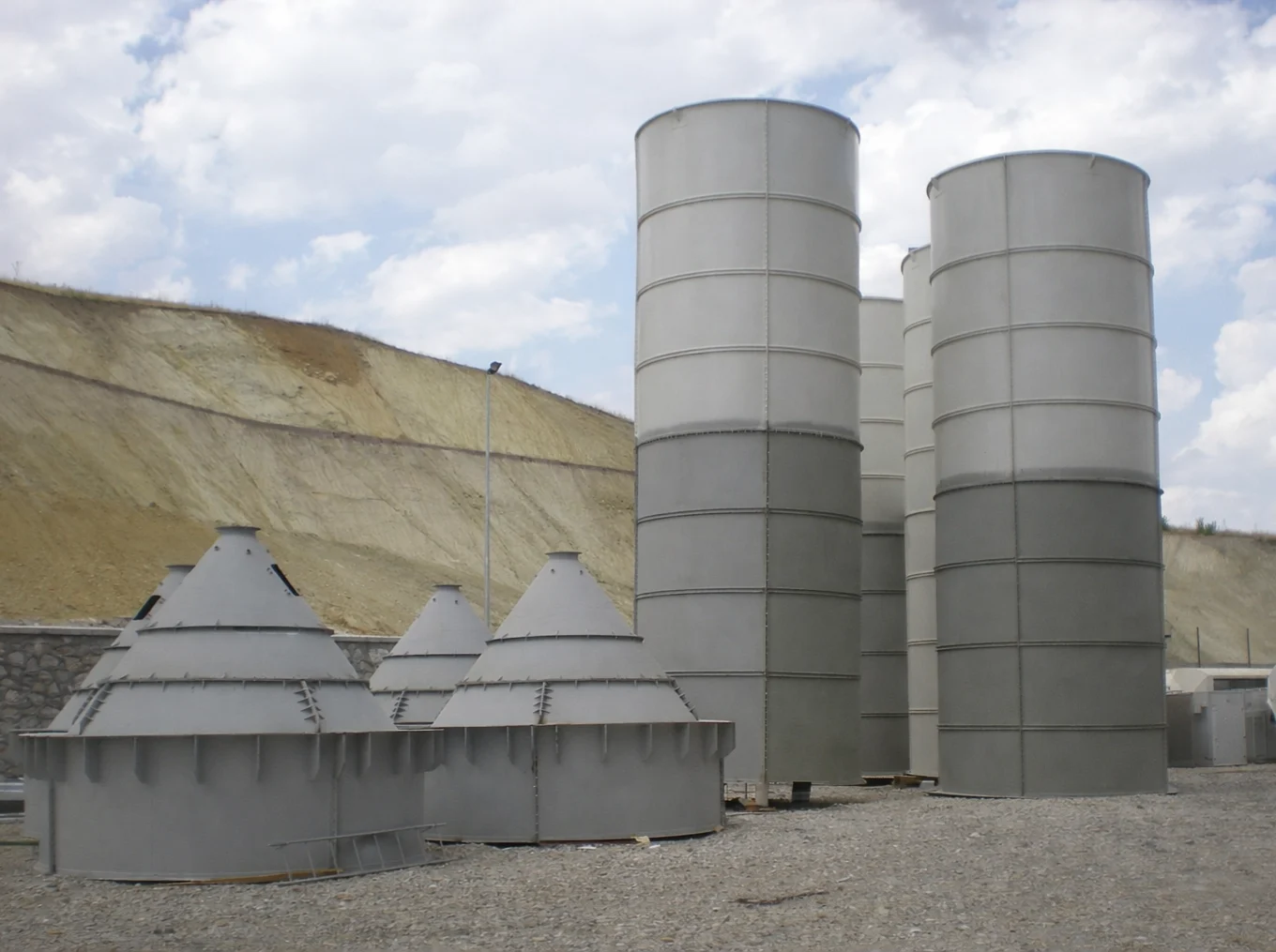
For safe operation, silo systems require not only proper mechanical design but also accurate instrumentation and safety components. Pressure fluctuations during filling, risk of overfilling, filtration requirements and level control directly affect system reliability. ENIVO silo solutions can be configured with level monitoring, weighing systems, vent filters, pressure/vacuum safety, overfill protection and local control panels to ensure safe, traceable and fully integrated operation with the process.
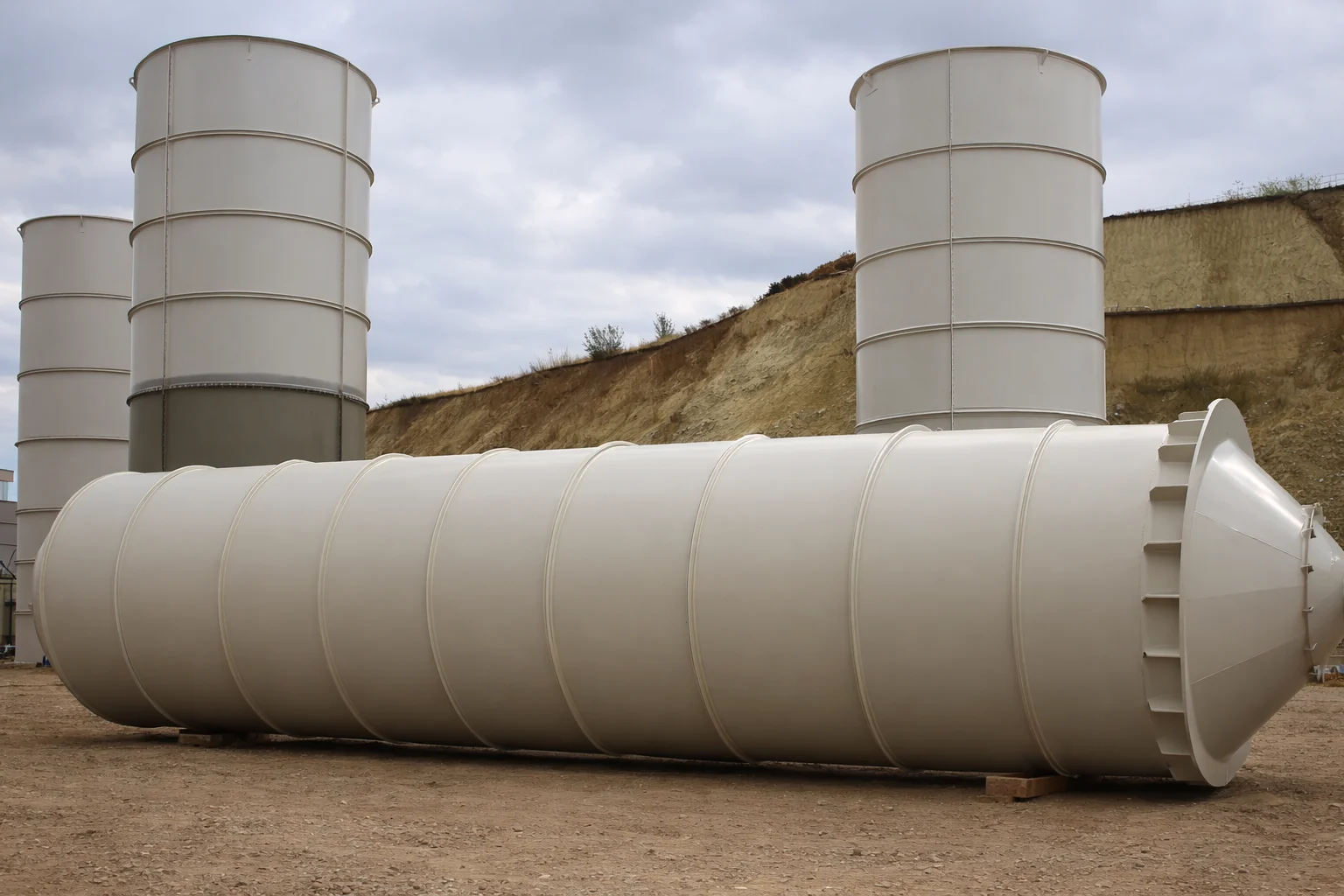
ENIVO approaches silo systems not merely as storage units, but as critical engineering components that directly impact process continuity and operational safety. With this approach, the appropriate silo geometry is defined according to the product, flow and discharge issues are addressed during the design phase, and dust emissions and process safety are kept under control. Filling, filtration, weighing, dosing and conveying systems are integrated into a unified solution, resulting in long-lasting, reliable and process-oriented storage systems.